
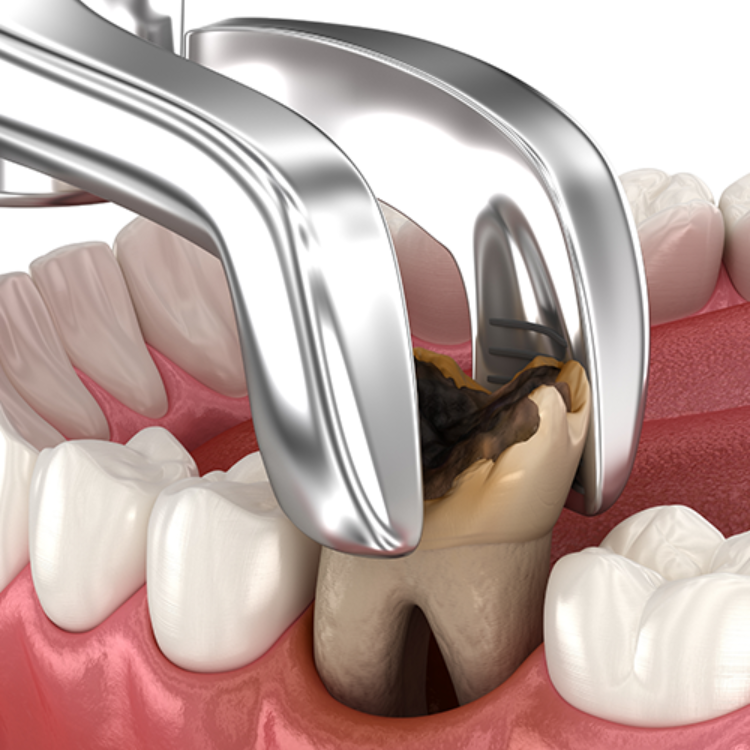
Tooth extraction is a dental procedure in which a tooth is removed from its socket in the jawbone. It is typically recommended when a tooth is too damaged to be repaired or when it poses a risk to surrounding teeth and gums.
With tooth extraction , the procedure can be either simple or surgical depending on the condition of the tooth. A simple extraction is performed when the tooth is visible and easily accessible, while a surgical extraction is required for impacted or broken teeth.
Patients seeking tooth extraction often require this treatment due to severe decay, infection, or overcrowding. Dental extraction helps prevent the spread of infection and protects overall oral health.
Modern techniques ensure that the procedure is safe, efficient, and as comfortable as possible.
Tooth extraction is recommended when a tooth cannot be saved or when it affects your oral health.
You may need tooth extraction if you have:
Choosing dental extraction ensures proper evaluation and timely treatment to avoid further complications.
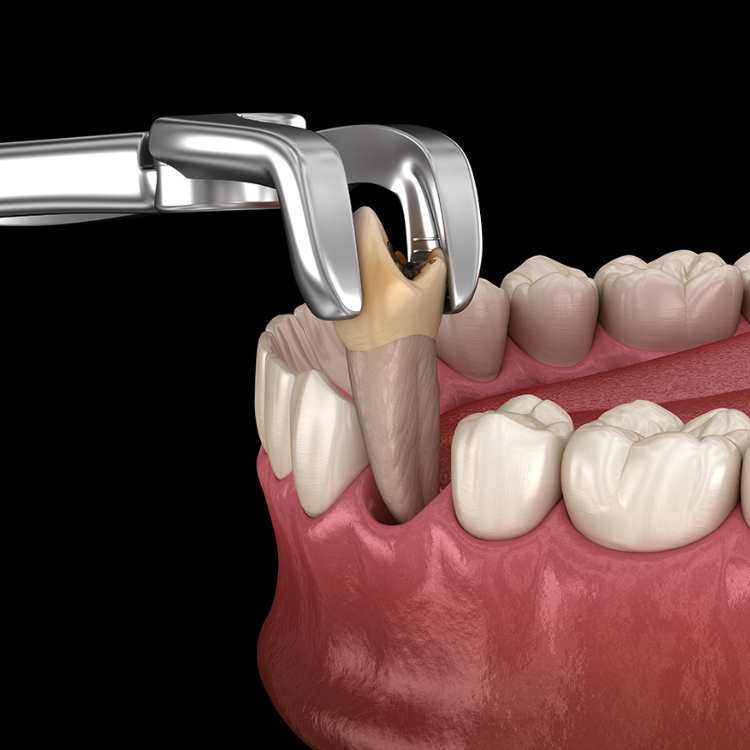
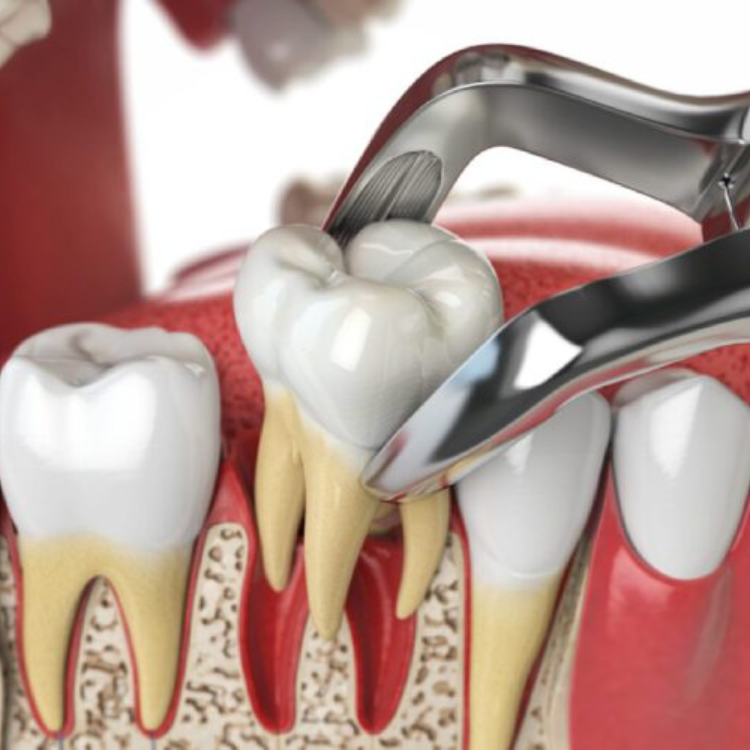
Certain symptoms may indicate that a tooth needs to be removed.
Common signs include:
If you notice these signs, tooth extraction in Easton, PA or Phillipsburg can help restore your oral health and prevent further issues.
The tooth extraction process is carefully performed to ensure safety and comfort:
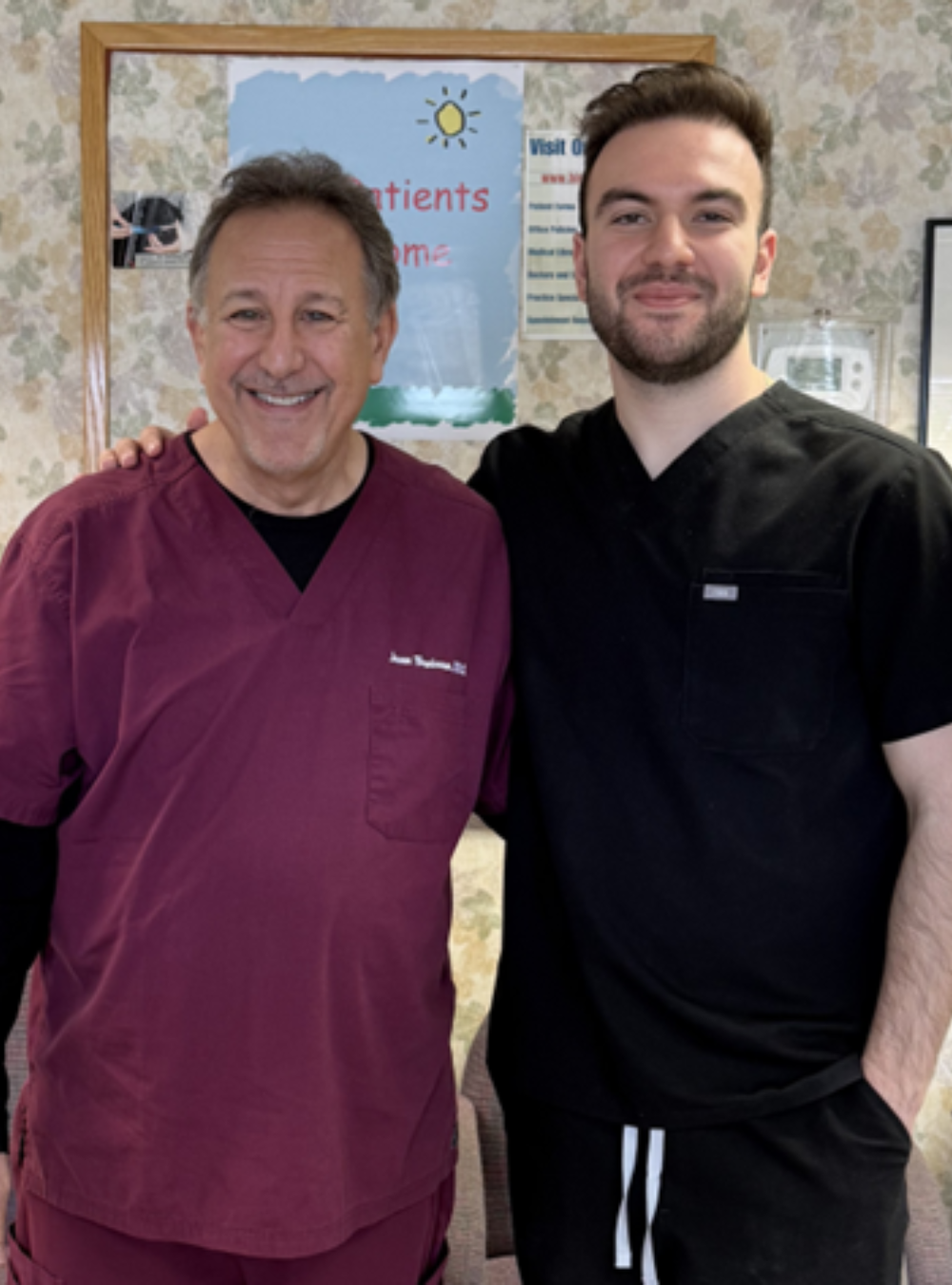
Dr. Jonathan Saliby examines your tooth and may take X-rays to assess the condition.
Local anesthesia is used to numb the area and ensure a pain-free procedure.
The dentist gently loosens and removes the tooth. Surgical techniques may be used if necessary.
The extraction site is cleaned to prevent infection.
Stitches may be placed to aid healing.
You will receive guidance on how to care for the extraction site during recovery.
Removing a damaged or infected tooth eliminates the source of pain.
Extraction stops infection from spreading to other teeth and gums.
It helps maintain overall dental hygiene and prevents complications.
Extraction can create space for proper teeth alignment.
Prevents damage to adjacent teeth caused by infection or crowding.
Improves your ability to chew and speak without discomfort.
Most patients recover within a few days with proper care.
Proper care helps prevent complications like dry socket.
Mild swelling and discomfort are common after the procedure.
Eating soft foods helps protect the extraction site during healing.
Contact us today to schedule your visit and take the first step toward a healthier smile.