
A strong and healthy jawbone is essential for supporting your teeth and maintaining long-term oral health. Our clinic offers advanced bone grafting solutions designed to rebuild and strengthen areas affected by bone loss. With a focus on precision and personalized care, we help restore the foundation needed for a confident and functional smile.
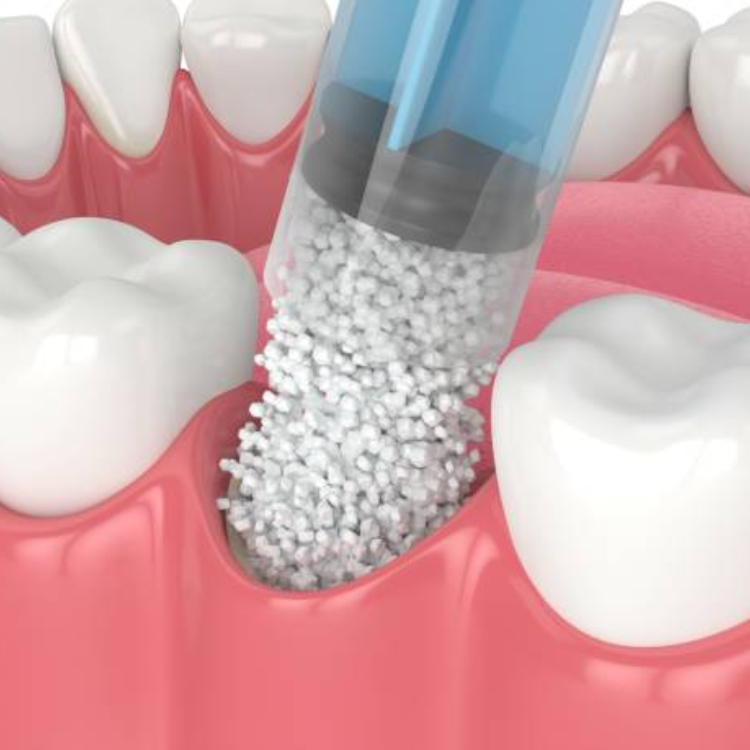
Bone grafting is a dental procedure used to rebuild or replace lost bone in the jaw. It is commonly performed when there is not enough natural bone to support dental implants or maintain proper oral structure.
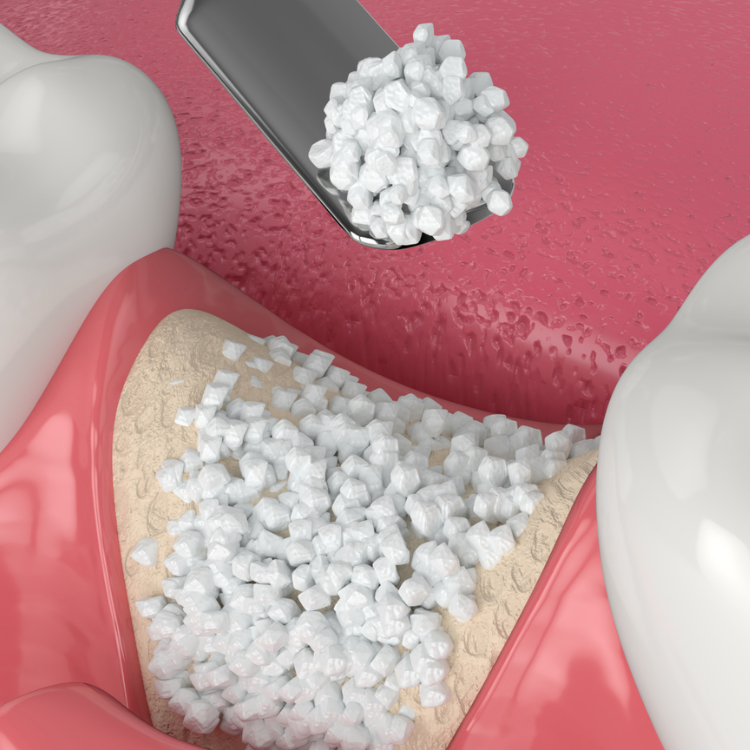
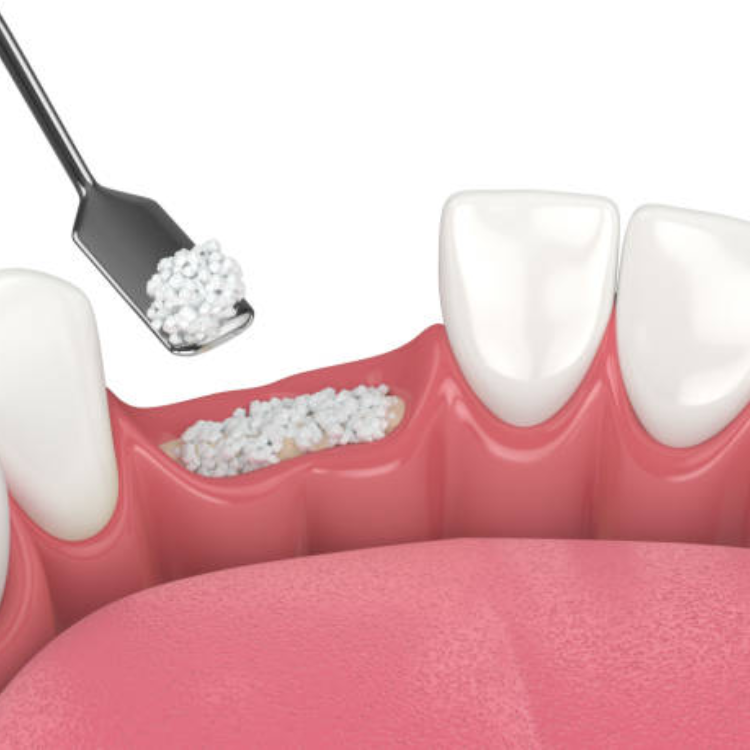
During bone grafting, a special material, either natural or synthetic, is placed in the area where bone is missing. Over time, this material integrates with your existing bone, promoting new bone growth and strengthening the area.
Patients seeking bone grafting often require this treatment due to bone loss caused by missing teeth, gum disease, or trauma. The procedure helps restore the jaw’s structure, making it possible to proceed with restorative treatments such as implants.
Bone grafting is a safe and effective solution that improves both oral health and long-term dental stability.
Bone grafting is recommended when there is insufficient bone in the jaw to support teeth or dental restorations. Without adequate bone, certain treatments may not be possible.
You may need bone grafting in if you have:
Choosing a bone grafting dentist ensures proper evaluation and treatment planning. Many patients also seek bone grafting to restore their oral health and prepare for future dental procedures.
Certain symptoms may indicate that bone grafting is necessary to restore your jawbone.
Common signs include:
If you notice these signs, consulting a bone grafting dentist ,can help determine the right solution for your needs.
The bone grafting process involves several steps to ensure successful results:
Dr. Jonathan Saliby evaluates your oral health and determines the need for bone grafting.
A customized plan is created using imaging and diagnostic tools.
The grafting material is placed in the area of bone loss.
The graft integrates with your natural bone over time, promoting new growth.
Regular check-ups ensure proper healing and success of the procedure.
Once healed, the area is ready for procedures like dental implants.
Bone grafting rebuilds lost bone, providing a strong foundation for dental health.
It creates sufficient bone to securely place implants.
Restoring bone helps maintain natural facial contours and prevents sagging.
The procedure stimulates bone growth and stops further deterioration.
Stronger bone improves chewing and overall oral function.
Bone grafting ensures lasting support for teeth and restorations.
Bone grafts require several months to fully integrate with your natural bone.
When performed by an experienced dentist, bone grafting is highly safe and effective.
Proper care helps ensure successful healing and long-term results.
Bone grafting is often a necessary step before dental implants.
Contact us today to schedule your visit and take the first step toward a healthier smile.