
A CEREC crown is a custom dental restoration designed to repair and protect a damaged, weakened, or heavily restored tooth. Unlike traditional crowns that may require a temporary restoration and multiple appointments, CEREC technology uses digital scanning and computer-aided design to create and place a permanent crown during one visit when appropriate. With same-day CEREC crowns, patients can often complete their dental crown treatment without waiting several days for an outside dental laboratory.
So, can you eat after a CEREC crown? In most cases, it is best to wait until the local anesthetic has completely worn off before eating to avoid accidentally biting your cheek, tongue, or gums. Once normal sensation returns, you can generally begin eating, although softer foods may be more comfortable during the first few hours. Patients receiving one-visit CEREC crowns in Phillipsburg can often leave the office with their permanent crown in place after it has been carefully evaluated and bonded.
How Soon Can You Eat After a CEREC Crown?
The timing of eating after CEREC crown treatment depends partly on whether local anesthesia was used and on the specific instructions provided by the dental team.
We generally recommend waiting until the numbness has disappeared before eating solid foods. Local anesthetic can temporarily reduce sensation in the lips, cheeks, tongue, and gums. If you chew while numb, it can be difficult to recognize when you are biting soft tissues.
Eating too soon can also make it harder to judge how the newly restored tooth feels. Once the anesthetic wears off, you can pay closer attention to the crown and your bite.
If your dentist provides different instructions based on the type of procedure performed, those instructions should take priority. The tooth may also have been treated for decay, a fracture, an old filling, or another condition, and the overall treatment can influence the recommended CEREC crown aftercare routine.
What to Eat After a CEREC Crown
Choosing soft, easy-to-chew foods after CEREC crown treatment can reduce pressure on the restored tooth while helping you maintain a comfortable and balanced diet.
Recommended Foods After Treatment
When deciding what to eat after CEREC crown placement, we recommend choosing foods that are easy to chew, particularly during the first several hours if the tooth feels sensitive.
Suitable options can include:
- Yogurt
- Eggs
- Soft vegetables
- Pasta
- Rice
- Soft fruits
- Smooth foods
- Soups served at a comfortable temperature
These foods generally require less chewing force than very hard or sticky foods. They can also be helpful if the treated tooth or surrounding gum tissue feels mildly tender after the procedure.
There is no universal requirement for a special liquid or soft-food diet after every CEREC crown. If the crown feels comfortable and your dentist has not provided dietary restrictions, you may gradually return to your usual foods.
Sensitivity can also influence food choices. If cold foods or beverages cause temporary discomfort, we can recommend avoiding those triggers until the sensitivity improves.
Foods to Avoid After a CEREC Crown
Avoiding particularly hard, sticky, or chewy foods during the initial adjustment period can help minimize unnecessary pressure and make CEREC dental crown aftercare more comfortable.
Avoid or Limit These Foods Initially
Although a properly placed CEREC crown is designed for normal function, some foods can place unnecessary stress on a newly restored tooth. During the initial adjustment period, we recommend limiting foods that require substantial biting or pulling forces.
Foods and habits to avoid or limit may include:
- Very hard foods
- Sticky candies
- Chewy foods
- Hard candies
- Ice
- Extremely hot or cold foods when sensitivity is present
- Foods that require excessive biting force
Hard objects such as ice can place considerable force on teeth and dental restorations. Sticky foods can also pull against restorations and may be uncomfortable around a recently treated tooth.
Temporary dietary caution can make CEREC dental crown aftercare more comfortable while you become accustomed to the restoration.
It is also important to avoid using the crown tooth to bite objects that are not food, such as pens, fingernails, packaging, or other hard materials.
Can I Eat Normally After Getting a CEREC Crown?
Yes. Most patients can return to their normal diet after getting a CEREC crown once the anesthesia has worn off and the tooth feels comfortable.
A CEREC crown is intended to function as a permanent restoration, so it is not generally necessary to avoid ordinary foods indefinitely. We recommend gradually returning to normal chewing rather than immediately testing the restoration with exceptionally hard or sticky foods.
The crown should feel stable and comfortable during normal biting. Your dentist will also check the restoration’s fit and bite before you leave the office.
If the tooth continues to hurt, feels significantly different when you bite, or seems to make contact before the surrounding teeth, it is important to contact your dental office. Persistent discomfort should not simply be assumed to be part of normal CEREC crown recovery.
CEREC Crown Aftercare: How to Protect Your New Crown
Proper CEREC crown aftercare includes consistent brushing, careful flossing, regular dental visits, and avoiding habits that could place unnecessary stress on the new restoration.
Tips for Maintaining Your CEREC Crown
Good oral hygiene remains important after crown placement. A CEREC crown restores the visible portion of a tooth, but the surrounding teeth and gum tissue still require regular care.
We recommend the following CEREC crown aftercare habits:
- Brush twice daily using a soft-bristled toothbrush and fluoride toothpaste.
- Floss carefully around the crown to remove plaque and food particles from the gumline.
- Attend regular dental checkups so we can monitor the crown, tooth, gums, and surrounding structures.
- Avoid chewing ice or extremely hard objects that could damage teeth or restorations.
- Follow your dentist’s individual instructions after treatment.
- Contact the dental office if the crown feels loose, painful, or unusually high when biting.
Good oral hygiene can help protect the natural tooth beneath and around the crown. Although CEREC restorations are designed for durability, they still require the same responsible oral care as other dental restorations.
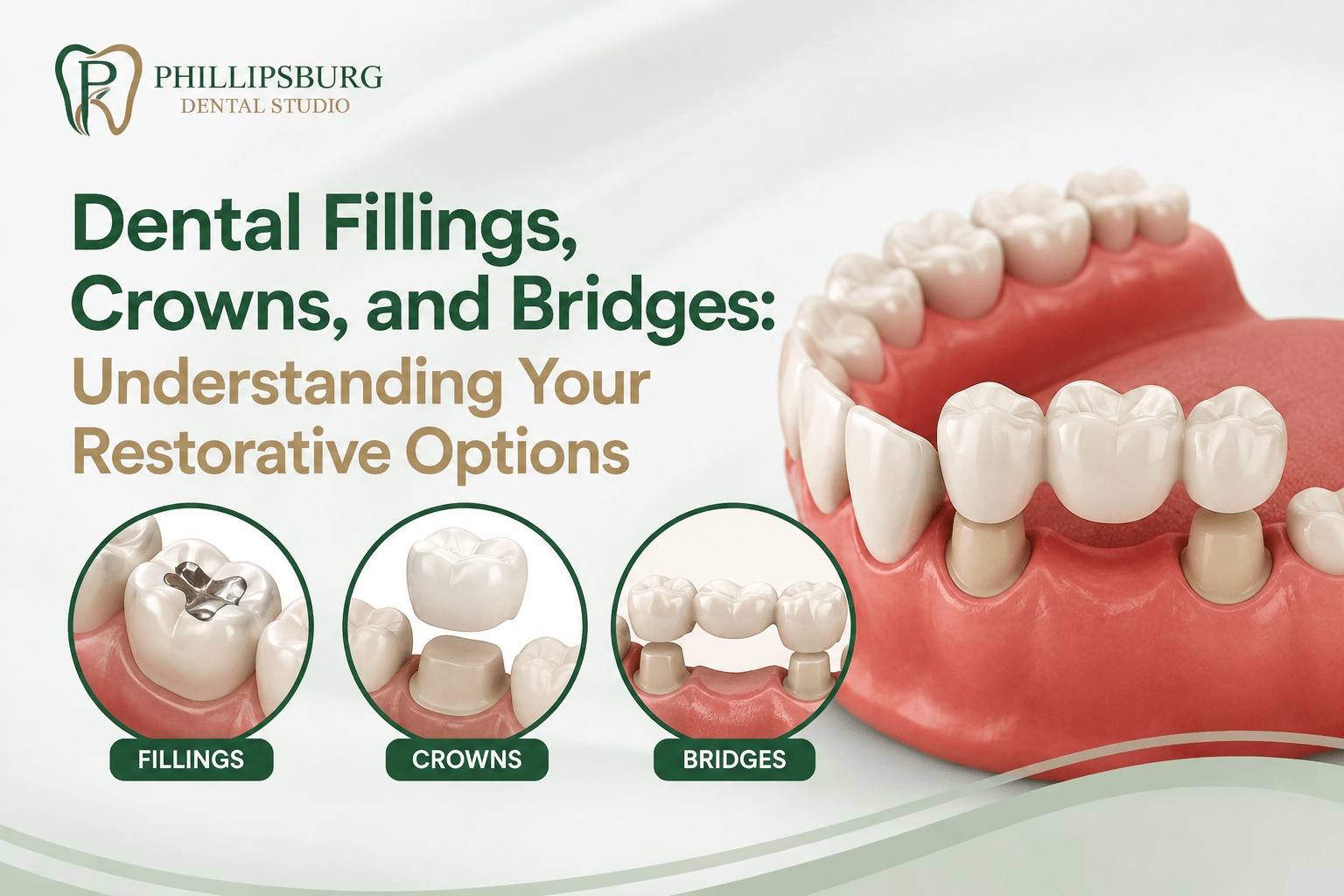
Interesting Read: Dental Fillings, Crowns, and Bridges: Understanding Your Restorative Options
What is CEREC and How Does a Same-Day Crown Work?
CEREC refers to a digital dental technology used to design and fabricate certain restorations in a dental office. Depending on the treatment plan and the condition of the tooth, the process can reduce the number of appointments needed for a crown.
The process may include several important stages.
1. Digital Scanning
Instead of relying solely on traditional impression materials, we can use digital scanning technology to capture detailed information about the prepared tooth and surrounding structures.
2. Computer-Aided Crown Design
The digital information is used to design a crown that corresponds to the prepared tooth and the patient’s bite. The restoration is planned to provide an appropriate shape, fit, and appearance.
3. In-Office Fabrication
For appropriate cases, the crown can be fabricated in the dental office using CEREC technology. This is one of the features that makes same-day treatment possible.
4. Crown Placement
Once the restoration has been created and evaluated, we can place and bond the crown to the prepared tooth. We also check the fit and bite before completing treatment.
For patients searching for dental crowns in Phillipsburg, NJ, this approach can provide a convenient alternative to traditional multi-appointment crown treatment when clinically appropriate. One-visit CEREC crowns may also reduce the time patients need to spend returning to the dental office.
How Long Does It Take to Recover From a CEREC Crown?
CEREC crown recovery is usually straightforward, although every patient’s experience can differ depending on the condition of the tooth and the treatment performed.
Mild sensitivity or tenderness can occur after dental work. Some patients may also need a short period to become accustomed to the shape and sensation of their new crown.
The restoration itself is intended to provide normal tooth function once it has been properly placed. However, the surrounding tooth and gum tissues may require some time to settle after treatment.
We recommend contacting the dental office if discomfort persists, becomes stronger, or interferes with normal eating. A crown that feels unusually high when biting may also require professional evaluation.
The distinction between temporary sensitivity and persistent symptoms is important. Mild, short-term sensitivity can occur after dental treatment, while ongoing pain, an uneven bite, or instability may indicate that the tooth or restoration should be examined.
When Should You Contact a Dentist After a CEREC Crown?
Although some temporary sensitivity can occur after treatment, certain symptoms deserve professional attention.
We recommend contacting your dentist if you experience:
- Persistent or worsening pain
- A loose crown
- An uneven or uncomfortable bite
- Significant sensitivity
- Persistent gum irritation
- A damaged or chipped crown
- Difficulty chewing because the crown does not feel comfortable
A crown that feels slightly different from the surrounding teeth may simply require an adjustment. If the bite feels unusually high or uncomfortable, however, it is better to have the restoration evaluated rather than continuing to chew normally and hoping the sensation disappears.
Prompt evaluation can help determine whether the issue involves the crown, the underlying tooth, the bite, or the surrounding tissues.
Why Choose Phillipsburg Dental Studio for CEREC Crowns?
At Phillipsburg Dental Studio, our dentist in Phillipsburg, NJ, provides personalized dental care focused on restoring damaged teeth while considering each patient’s individual needs.
CEREC crown treatment can be appropriate for patients who need a durable restoration and may benefit from a digital, streamlined treatment process. Where clinically appropriate, same-day or one-visit crown treatment can reduce the need for multiple appointments.
Our approach can include:
- CEREC crown treatment
- Same-day and one-visit crown options when appropriate
- Personalized treatment planning
- Digital dentistry
- Convenient local dental care
- Evaluation of tooth structure and overall oral health
For patients looking for CEREC dental crowns near me, a consultation provides an opportunity to discuss treatment options, expected aftercare, eating recommendations, and the anticipated restoration process.
Schedule Your CEREC Crown Consultation
If you need a dental crown treatment, we can evaluate your tooth and discuss whether CEREC technology is appropriate for your needs. At Phillipsburg Dental Studio, we provide personalized treatment planning and digital dentistry options designed around your oral health.
Contact our office to schedule a CEREC crown consultation and learn whether a same-day CEREC crown or one-visit restoration is suitable for your smile.
Frequently Asked Questions
Can you eat immediately after a CEREC crown?
We generally recommend waiting until the local anesthetic wears off before eating solid foods. This reduces the risk of accidentally biting your cheek, tongue, or gums while your mouth remains numb.
What can I eat after getting a CEREC crown?
Soft foods such as yogurt, eggs, pasta, rice, soft vegetables, soft fruits, and comfortably warm soups can be good initial choices. As the tooth feels comfortable, you can gradually return to your usual diet.
What foods should I avoid after a CEREC crown?
Initially, it can be helpful to avoid very hard, sticky, chewy, or extremely cold or hot foods if the tooth is sensitive. Ice and hard candies should also be avoided because they can place excessive force on teeth.
How long does a CEREC crown take to settle?
Many patients adjust quickly to a new CEREC crown. Mild sensitivity or tenderness may occur after treatment. Persistent pain, an uneven bite, or other unusual symptoms should be evaluated by a dentist.
How long does CEREC crown recovery take?
Recovery varies depending on the tooth and treatment performed. Once the anesthesia has worn off and the crown feels comfortable, most patients can resume normal eating while continuing routine oral hygiene.
Can I eat hard foods after a CEREC crown?
A properly placed CEREC crown is designed for normal chewing, but extremely hard foods should not be used to test the restoration. Avoiding ice and other very hard objects is also recommended.
Can I drink hot or cold drinks after a CEREC crown?
You can generally drink normally after treatment, but temperature sensitivity may make very hot or cold beverages uncomfortable temporarily. If sensitivity continues or becomes significant, contact your dentist.
Does a CEREC crown require special aftercare?
CEREC crowns require regular oral hygiene, including brushing twice daily and careful flossing. Routine dental examinations are also important for monitoring the crown, natural tooth, and surrounding gum tissue.
How long do CEREC crowns last?
The lifespan of a CEREC crown varies based on factors such as oral hygiene, bite forces, diet, dental habits, the condition of the underlying tooth, and regular professional care. Your dentist can discuss expected longevity for your specific restoration.
Can I get a CEREC crown in one visit?
Some patients can receive a CEREC crown during one dental visit. CEREC technology allows digital scanning, computer-aided design, and in-office fabrication for appropriate cases. Your dentist can determine whether this approach suits your tooth.