A balanced smile depends on more than tooth color. The size, length, width, shape, and proportions of the teeth all contribute to how the smile looks as a whole. When some teeth appear noticeably shorter, narrower, wider, or differently shaped than others, the result can make the smile look uneven. For some people, these differences are natural, while others develop because of chips, wear, gaps, previous dental work, or changes that occur over time.
Dental veneers can often improve the visible proportions of teeth with different sizes. These thin, customized coverings are designed to alter the appearance of the front surfaces of teeth while maintaining a natural relationship with the surrounding smile. At Phillipsburg Dental Studio, we approach cosmetic treatment by considering the condition of the teeth, oral health, bite, facial proportions, and individual smile goals before recommending veneers.
Whether veneers are appropriate depends on why the teeth look different in size and whether there are underlying dental concerns that need treatment first.
Why Are Some Teeth Different Sizes?
Teeth do not always develop with perfectly identical dimensions. Natural variations can make one tooth look slightly different from its neighbor without indicating a problem. In other cases, differences become more noticeable because of damage, wear, spacing, or previous dental treatment.
Common reasons teeth may appear different in size include:
- Natural differences in tooth development
- Small or undersized teeth
- Chipped or fractured edges
- Uneven tooth wear
- Gaps between teeth
- Differences in tooth shape
- Previous fillings or dental restorations
- Developmental conditions affecting tooth size
- Changes caused by grinding or clenching
- Age-related changes to tooth structure
Some people naturally have teeth that are smaller than expected, particularly certain front teeth. A tooth may also appear smaller because it has a rounded or narrow shape, even when its actual structure is healthy.
Are Uneven-Sized Teeth a Dental Problem?
Different-sized teeth are not automatically a dental problem. If the teeth are healthy, function normally, and do not contribute to bite problems, the concern may be primarily cosmetic.
However, uneven teeth can sometimes be connected with functional issues. Significant differences in tooth position or shape may influence the way the upper and lower teeth contact during biting and chewing. Worn, chipped, or damaged teeth can also indicate an underlying issue such as grinding or an unstable bite.
An examination is therefore important before choosing cosmetic treatment. We need to determine whether the difference is simply an appearance concern or whether there is an underlying condition that should be addressed first.
Can Dental Veneers Fix Teeth That Are Different Sizes?
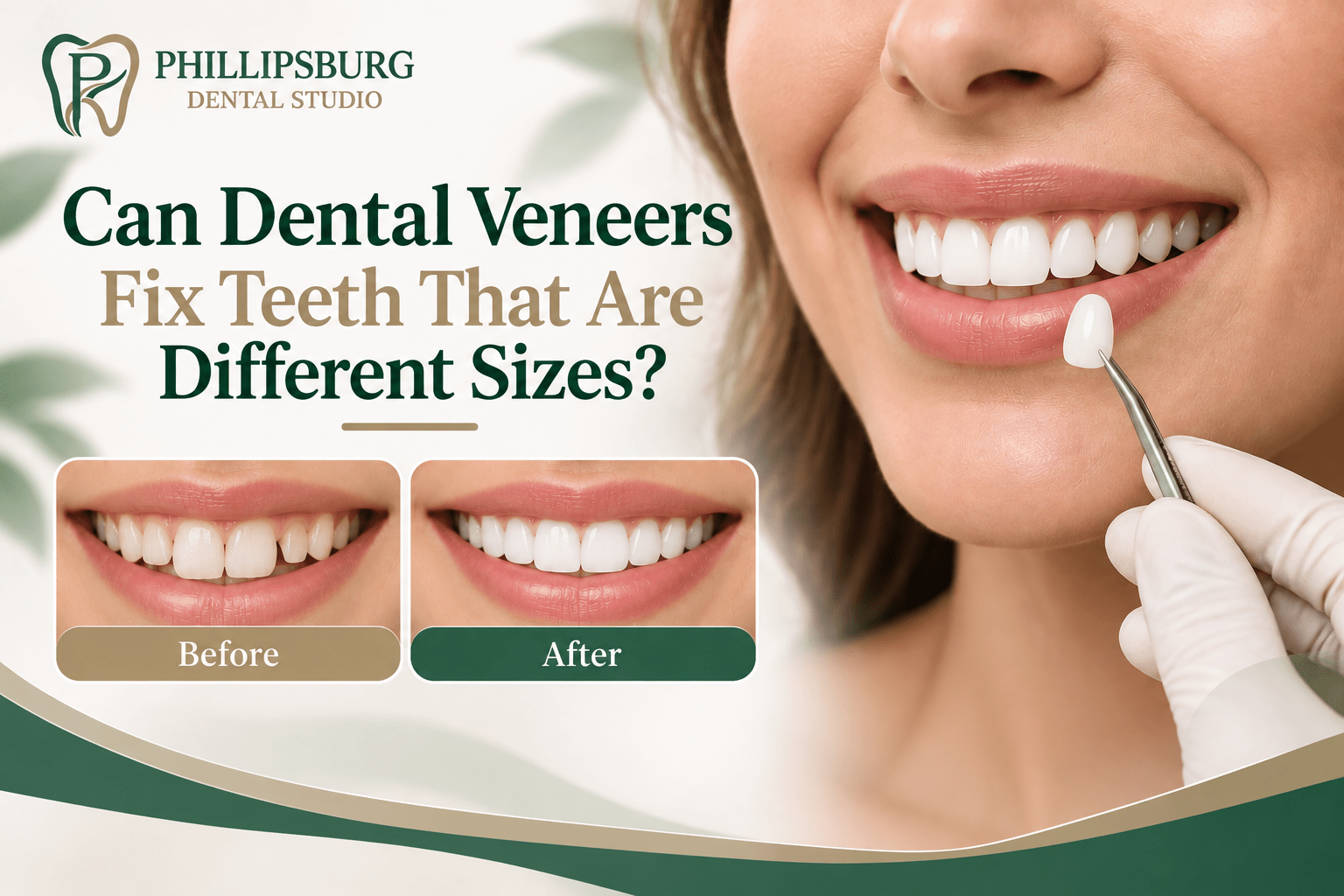
Yes, veneers can often improve the appearance of teeth that differ in size. Veneers can be customized to modify the visible length, width, contour, shape, and proportions of teeth.
For appropriately selected patients, dental veneers for different-sized teeth can make shorter teeth appear more proportionate, add visual width to narrow teeth, refine irregular edges, and create a more consistent relationship between neighboring teeth.
When planning veneers for different-sized teeth, we do not simply make every tooth identical. Instead, veneer dimensions are selected according to the patient’s natural tooth proportions, facial characteristics, smile line, gum position, and surrounding teeth.
This distinction is important because teeth that are technically the same size do not necessarily create the most natural-looking smile. The objective is generally visual balance and harmony rather than artificial uniformity.
Veneers primarily change the visible appearance of teeth. They do not correct underlying jaw alignment or replace orthodontic treatment when the main problem is significant tooth movement or a skeletal bite issue.
How Do Veneers Make Uneven Teeth Look More Balanced?
Veneers can be designed with very precise dimensions and contours. This allows us to address several cosmetic differences while considering how the teeth appear together.
1. Adjusting Tooth Length
A tooth that looks noticeably shorter than neighboring teeth may disrupt the visual flow of the smile. A veneer can sometimes extend the visible portion of a tooth, creating a more proportionate appearance.
The amount of change depends on the available tooth structure, bite, gum position, and desired result. Excessive lengthening may interfere with function, so the design must account for how the teeth meet during normal movement.
2. Improving Tooth Width and Shape
Narrow teeth can sometimes appear disproportionately small, especially when neighboring teeth are wider. Veneers can add carefully planned width to the visible surface and refine the contours of irregular teeth.
The shape of the veneer also matters. Rounded, square, tapered, or softly contoured edges can produce different visual effects. We consider the patient’s natural features rather than applying the same shape to every smile.
3. Creating a More Symmetrical Smile
Smile symmetry involves relationships between several teeth rather than one tooth in isolation. We evaluate the proportions of neighboring teeth, the position of the gum line, the smile curve, and how the teeth relate to facial features.
This approach helps create a smile that looks balanced from different angles instead of simply making individual teeth appear identical.
4. Closing Small Gaps
Appropriately designed veneers may also improve the appearance of certain small spaces between teeth. By adjusting the visible width of the restored teeth, veneers can sometimes create a more continuous appearance.
However, larger spaces or gaps caused by tooth movement may require orthodontic treatment or another approach.
What Types of Veneers Can Be Used for Uneven Teeth?
Porcelain and composite veneers can both improve differences in tooth size and shape. The right material depends on your dental condition, cosmetic goals, budget, and treatment plan.
1. Porcelain Veneers
Porcelain veneers are thin restorations designed to cover the visible surface of a tooth. They are commonly considered when patients want substantial cosmetic changes involving shape, size, and color.
Porcelain can provide a highly natural appearance because its optical characteristics can closely resemble natural enamel. It is also resistant to staining compared with some other cosmetic materials.
The design process is important because porcelain veneers are customized for each tooth. We consider the desired length, width, shape, shade, and relationship with adjacent teeth before placement.
2. Composite Veneers
Composite veneers use tooth-colored resin that can be shaped directly onto the teeth. This material can be useful for certain minor changes in tooth size, shape, or contour.
Composite treatment may require less alteration of the natural tooth in some circumstances and can be easier to repair if the material chips. However, composite may not provide the same long-term stain resistance or material characteristics as porcelain.
The appropriate option depends on the condition of the teeth, cosmetic goals, budget, bite, and professional recommendation.
Who May Be a Good Candidate for Veneers for Uneven Teeth?
A good candidate generally has healthy teeth and gums and wants to improve the appearance of tooth proportions. During an evaluation, we consider:
- Healthy gums
- Adequate enamel and tooth structure
- Good oral hygiene
- A stable and manageable bite
- No untreated decay
- No active gum disease
- Realistic cosmetic expectations
- A desire to improve tooth shape, size, or proportions
When Veneers May Not Be the Best Option
Veneers may not be appropriate when a patient has significant untreated dental problems. Active decay, gum disease, insufficient enamel, severe bite problems, or extensive structural damage may require other treatment first.
For severely weakened teeth, a crown may provide more appropriate structural coverage. Significant tooth movement may be better addressed through orthodontics.
What If the Teeth Are Small Rather Than Just Uneven?
Veneers for small teeth can sometimes increase the visible size of undersized teeth. This may be particularly useful when small front teeth create excessive spaces or make the smile appear disproportionate.
The dentist must first determine how much healthy tooth structure is available and whether adding material will work with the patient’s bite. Depending on the smile design, treatment may involve a single tooth or multiple teeth.
When several teeth are involved, the goal is to create consistent proportions without making the teeth look oversized or artificial.
Veneers for Mismatched Teeth: What Can They Correct?
Veneers can address mismatched tooth lengths, widths, shapes, edges, spacing, and color, providing customized cosmetic improvements that help create a more cohesive and balanced smile.
Veneers for mismatched teeth can address a range of cosmetic differences, including:
- Different tooth lengths
- Different tooth widths
- Irregular shapes
- Chipped edges
- Uneven contours
- Minor spacing
- Discoloration combined with shape differences
Every veneer is customized. Rather than using a one-size-fits-all design, we consider how each restoration should relate to the adjacent teeth and overall smile.
What Happens During a Veneer Consultation?
A veneer consultation includes an examination, bite assessment, smile analysis, and discussion of your goals. These steps help determine whether veneers are suitable for your specific needs.
A veneer consultation generally involves several steps:
- Dental examination: We assess the condition of the teeth and existing restorations.
- Cosmetic goal discussion: We discuss what the patient wants to change.
- Evaluation of teeth and gums: Decay, gum disease, and structural concerns are identified.
- Bite assessment: We evaluate how the upper and lower teeth contact.
- Smile analysis: Tooth proportions, facial features, gum display, and smile symmetry are considered.
- Material discussion: Porcelain and composite options can be compared.
- Treatment planning: We determine whether veneers are appropriate and how many may be needed.
- Preparation and placement: If treatment proceeds, the teeth are prepared as appropriate, and the customized restorations are placed.
Working with an experienced cosmetic dentist helps ensure that cosmetic dental treatment is planned around both appearance and dental function.
Can Veneers Fix Uneven Teeth or Do You Need Other Treatment?
Veneers are not always the first or only solution for differently sized teeth. The appropriate treatment depends on the underlying cause.
1. Orthodontic Treatment
Orthodontic treatment may be more appropriate when the primary concern is tooth position, crowding, spacing, or misalignment rather than tooth size itself.
2. Dental Bonding
Dental bonding can provide a conservative option for small changes in tooth shape or size. Composite resin can be added to selected areas to improve contours.
3. Crowns
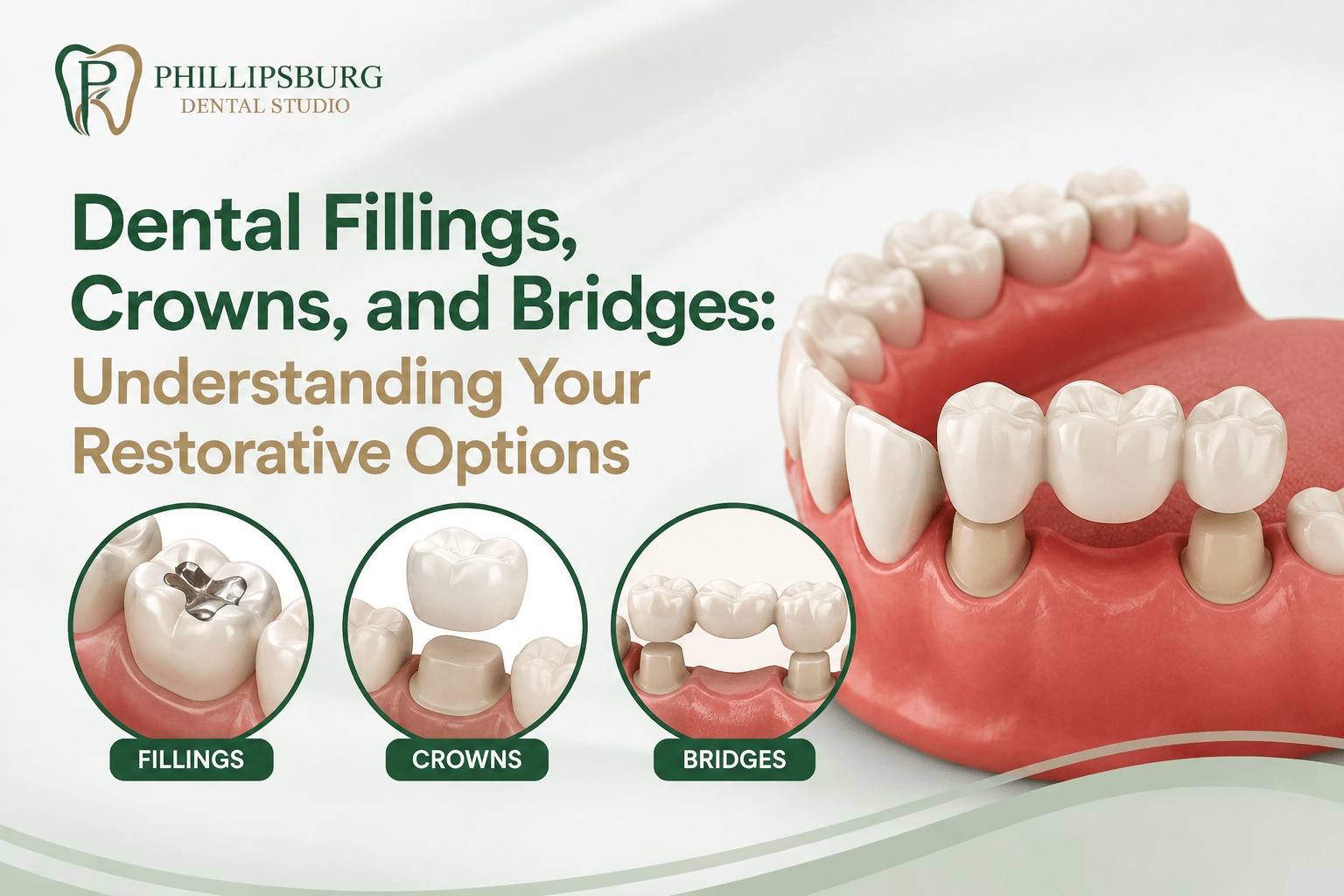
Dental Crowns may be considered when a tooth has substantial structural damage and requires more extensive restoration than a veneer can provide.
4. Root Canal Treatment
If a tooth has significant internal damage or infection, root canal treatment may be necessary before cosmetic restoration. Treating the underlying dental problem takes priority over elective cosmetic treatment.
5. Emergency Dental Treatment
Sudden dental pain, swelling, trauma, or a severely damaged tooth should receive emergency dental treatment before cosmetic procedures are considered. Once the urgent issue has been stabilized, cosmetic options can be evaluated when appropriate.
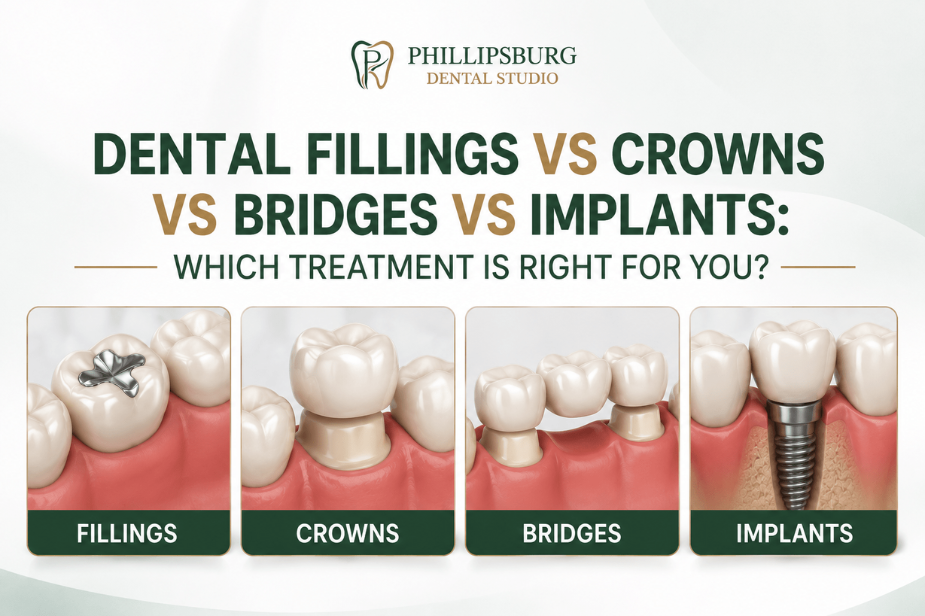
Interesting Read: Dental Fillings vs Crowns vs Bridges vs Implants: Which Treatment is Right for You?
Are Veneers to Make Teeth the Same Size Right for Everyone?
The goal of treatment is usually visual harmony, not making every tooth exactly the same size. Natural smiles contain subtle differences in tooth dimensions, and these variations can contribute to a realistic appearance.
Making every tooth identical could actually make the smile look less natural. Instead, we consider the ideal relationship between the central incisors, lateral incisors, canines, and other visible teeth.
Individualized smile design allows us to create proportions that complement the person’s facial characteristics while maintaining a natural appearance.
How Many Veneers Do You Need for Different-Sized Teeth?
The number of veneers depends on how many teeth have noticeable differences and where those teeth are located.
A single-tooth veneer may be sufficient when one tooth is significantly different from its neighbors. Several veneers may be recommended when multiple front teeth have inconsistent lengths, widths, shapes, or colors.
Some patients may choose a complete smile makeover when several cosmetic concerns need to be addressed together. The number of restorations should be based on the treatment objective rather than a predetermined number.
We also consider how veneers will match neighboring natural teeth. The more visible teeth included in treatment, the greater the opportunity to create consistent proportions and color.
How Long Do Veneers Last?
Veneers can provide long-lasting cosmetic improvement, but they are not permanent, and their longevity varies between patients.
Good oral hygiene, routine dental examinations, appropriate professional placement, and careful maintenance can support the longevity of veneers. Patients should also avoid habits that can damage restorations, such as biting hard objects or using the teeth to open packaging.
Grinding and clenching can place excessive forces on veneers. Patients who grind their teeth may need to discuss protective measures with their dentist.
Regular dental visits allow the condition of both the veneers and the underlying teeth to be monitored over time.
How to Find the Right Dentist for Veneers
When searching for dental veneers in Phillipsburg, NJ, patients should look beyond the cosmetic material itself. The dentist’s approach to diagnosis, treatment planning, tooth preservation, and smile design is equally important.
Someone searching for the Best veneers dentist in Easton, PA should consider whether the practice offers:
- Experience with cosmetic dentistry
- Before-and-after examples where available
- Detailed treatment planning
- Multiple veneer material options
- A transparent consultation process
- Personalized recommendations
- Comprehensive dental care
A consultation should provide an opportunity to discuss expectations, alternatives, costs, maintenance, and the condition of the teeth before treatment begins.
Why Choose Phillipsburg Dental Studio for Cosmetic Veneers?
At Phillipsburg Dental Studio, cosmetic veneer treatment is approached as an individualized dental service rather than a standard cosmetic procedure. As a trusted dentist in Easton, PA, we consider the condition of the teeth, gums, bite, facial proportions, and the patient’s desired appearance when developing a personalized treatment plan. This approach helps determine whether veneers are an appropriate option and supports a natural, balanced-looking smile.
Our approach focuses on creating natural-looking proportions while addressing the specific concerns that make teeth appear different in size. Veneer options can be discussed according to individual needs, and overall oral health remains an important part of the evaluation.
Patients can discuss whether veneers are appropriate, whether porcelain or composite is more suitable, and whether another treatment would provide a better solution for their smile.
Give Your Smile a More Balanced Appearance
Teeth that differ in size do not always require extensive treatment. When the concern is primarily cosmetic, and the teeth are healthy enough to support restorations, dental veneers can be an effective way to improve visible proportions, shape, length, width, and color.
The right solution depends on the cause of the uneven appearance, available tooth structure, bite, oral health, and desired outcome. Veneers are not designed to make every tooth identical. Instead, careful smile design aims to create natural proportions that work together.
Thinking about veneers for uneven or different-sized teeth? Schedule a consultation with Phillipsburg Dental Studio to explore your cosmetic treatment options and find an approach designed around your smile.
Frequently Asked Questions About Veneers for Different-Sized Teeth
Can veneers make different-sized teeth look the same?
Veneers can make differently sized teeth appear more similar by adjusting visible length, width, shape, and contour. The goal is usually a balanced, natural-looking smile rather than making every tooth perfectly identical.
Can veneers fix uneven front teeth?
Yes. Veneers may improve uneven front teeth when differences involve visible length, width, shape, minor chips, or contours. An examination is necessary to determine whether veneers can address the specific cause of the uneven appearance.
Are veneers suitable for small teeth?
Veneers can sometimes make small teeth appear larger and more proportionate. The dentist must evaluate available tooth structure, enamel, gum position, bite, and surrounding teeth before recommending this treatment.
Are porcelain or composite veneers better for uneven teeth?
Both can be appropriate depending on the situation. Porcelain offers durable, natural-looking cosmetic characteristics, while composite can provide a flexible option for certain minor changes. The choice depends on individual needs and treatment goals.
How many veneers do I need to correct mismatched teeth?
The number varies. A single veneer may correct one noticeably different tooth, while several veneers may be needed when multiple front teeth have inconsistent proportions. Treatment should be based on the desired smile design.
Do veneers fix the cause of uneven teeth?
Not necessarily. Veneers primarily change the visible appearance of teeth. If unevenness is caused by significant misalignment, bite problems, decay, infection, or another dental condition, additional treatment may be required.
Can veneers fix both the size and color of teeth?
Yes. Veneers can be designed to alter visible tooth proportions and shade at the same time. This can be helpful when differently sized teeth also have discoloration or inconsistent coloring.
How much do veneers cost?
Veneer costs vary based on the material selected, number of teeth treated, complexity of the case, preparation requirements, and other factors. A consultation provides a more accurate estimate for an individual treatment plan.
How long do veneers last?
Veneer longevity varies according to material, oral hygiene, bite forces, habits, maintenance, and professional placement. Regular dental care and avoiding excessive forces can help protect the restorations.
Can I get veneers if I have damaged or decayed teeth?
Veneers may not be appropriate until active decay, gum disease, infection, or significant structural damage has been addressed. Once oral health is stabilized, cosmetic restoration options can be reconsidered.