For decades, the six-month dental visit has been considered the standard recommendation for maintaining good oral health. As a result, many people schedule routine dental checkups twice a year without realizing that the ideal frequency may vary depending on their individual dental health, lifestyle, and risk factors.
While the six-month rule remains a valuable benchmark, modern dentistry recognizes that every patient has unique oral health requirements. Factors such as age, lifestyle, medical history, and previous dental concerns all influence how often someone should receive preventive dental care. Understanding the truth behind the six-month rule helps patients make informed decisions and maintain healthier smiles through personalized treatment and ongoing care.
Why is a Routine Dental Checkup Recommended Every 6 Months?
The recommendation to visit the dentist every six months dates back several decades and gradually became the standard approach for regular dental checkups. The guideline was established because many common dental problems, including cavities and gum disease, can develop within a relatively short period and often progress without noticeable symptoms.
Routine visits every six months allow dental professionals to identify issues early before they require extensive treatment. However, while this schedule works well for many patients, scientific research suggests that there is no single timeline suitable for everyone. Some individuals may benefit from more frequent appointments, while others with excellent oral health may require fewer visits under professional guidance.
Is a Routine Dental Checkup Every Six Months Right for Everyone?
Not every patient has the same oral health risks. The ideal frequency for a routine dental checkup depends on several factors that influence the likelihood of developing dental problems.
These factors include:
- Age and stage of dental development
- Daily oral hygiene habits
- Existing medical conditions
- Smoking or tobacco use
- History of cavities
- Previous gum disease
- Genetic predisposition to oral health concerns
- Current dental restorations
Patients with low risk for dental disease may maintain healthy smiles with annual evaluations, while others may need more frequent monitoring. Personalized care remains the most effective approach for long-term oral health.
Who Should Visit the Dentist More Often?
Certain patients benefit from more frequent regular dental visits due to an increased risk of developing oral health complications.
1. Patients with Gum Disease
Individuals with periodontal disease often require appointments every three to four months to prevent infection progression and support successful treatment outcomes.
2. People with Diabetes
Diabetes can affect healing and increase susceptibility to gum disease. Regular monitoring through a professional dental examination helps identify concerns early.
3. Smokers
Smoking significantly increases the risk of gum disease, tooth loss, and oral cancer. Frequent visits support ongoing preventive dental care and early detection.
4. Pregnant Women
Hormonal changes during pregnancy can affect gum health and increase inflammation. Additional dental care helps maintain oral and overall wellness.
5. Patients with Braces or Dental Implants
Orthodontic appliances and implants require specialized monitoring to ensure proper function and long-term success.
6. Individuals with Frequent Cavities
Patients with a history of recurring tooth decay often benefit from more frequent cleanings and evaluations to reduce future dental problems.
What Happens During a Routine Dental Checkup?
A comprehensive dental examination involves much more than simply looking at the teeth. Modern dental visits provide a complete assessment of oral health.
1. Comprehensive Dental Examination
The dentist carefully evaluates teeth, gums, soft tissues, and supporting structures for signs of disease or damage.
2. Digital X-Rays
When necessary, digital imaging helps detect hidden cavities, bone loss, infections, and impacted teeth.
3. Gum Health Assessment
Measurements around the teeth help identify early signs of periodontal disease.
4. Oral Cancer Screening
The examination includes checking for unusual tissue changes, lesions, or abnormalities.
5. Restoration Evaluation
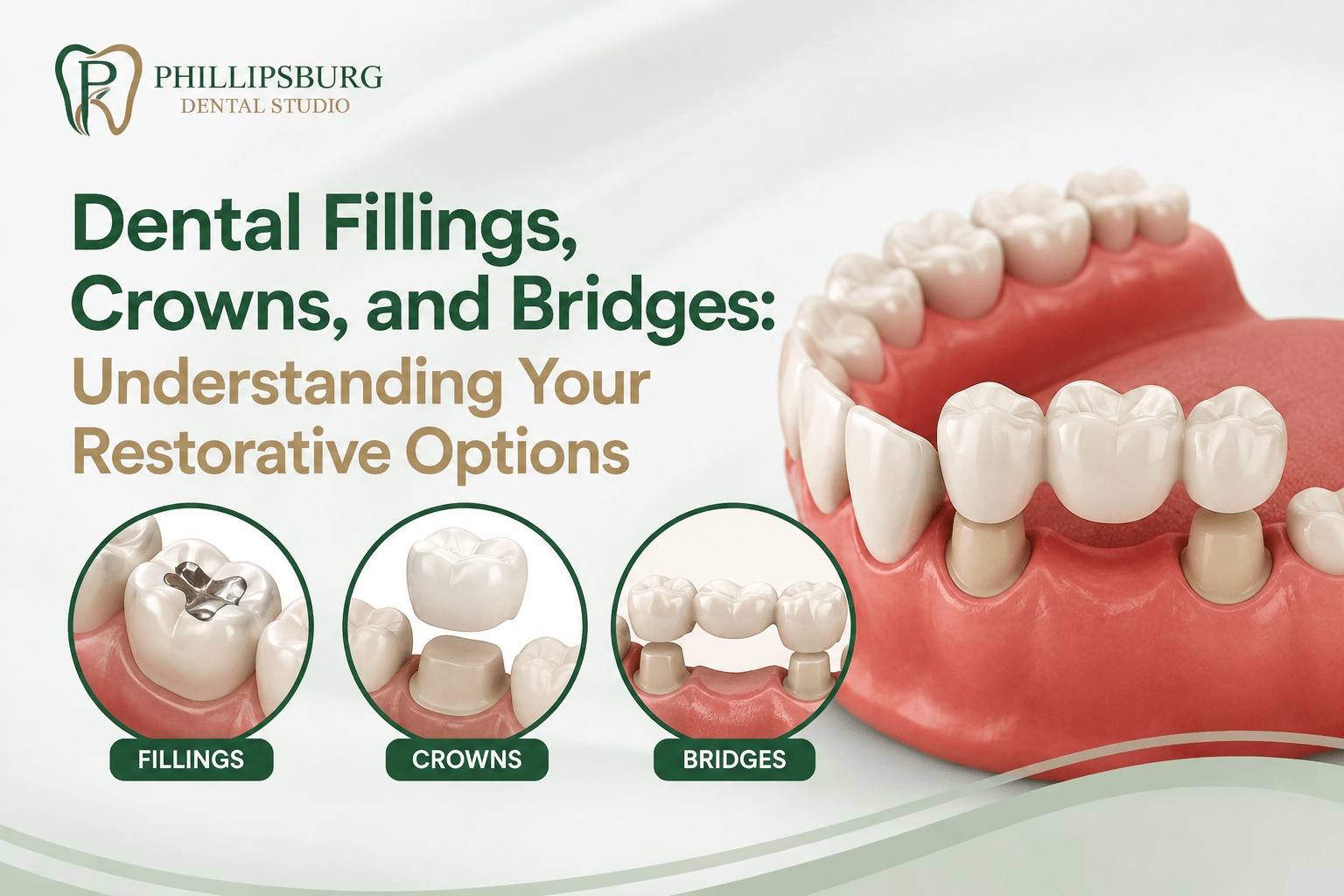
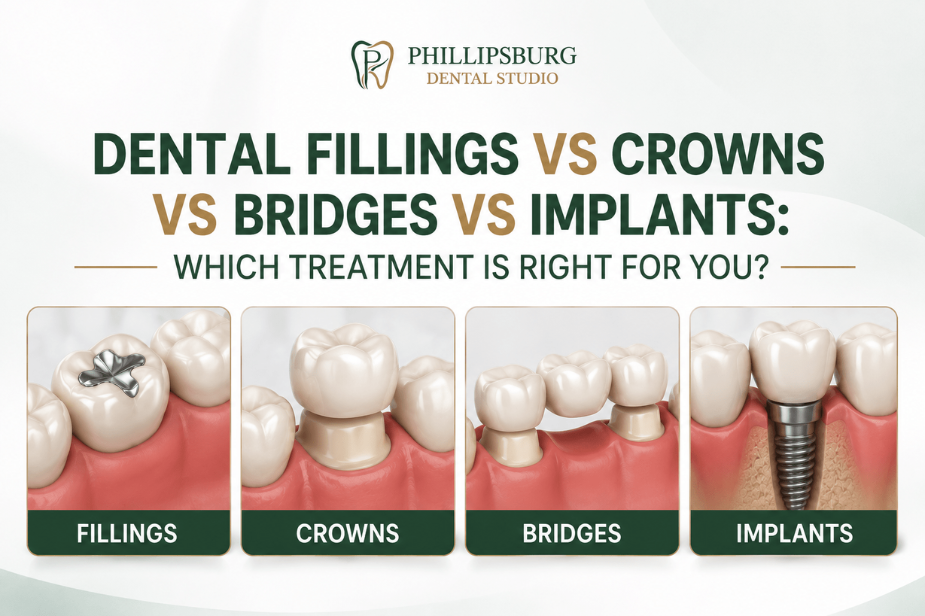
Existing fillings, crowns, bridges, and other restorations are inspected to ensure they remain functional and intact.
6. Bite Analysis
The dentist evaluates how the upper and lower teeth fit together to identify bite-related concerns that may cause discomfort or wear.
Why Professional Teeth Cleaning Matters
Even patients who brush and floss consistently cannot remove every deposit that accumulates on their teeth.
Understanding Plaque and Tartar
Plaque is a sticky bacterial film that constantly forms on tooth surfaces. When plaque remains untreated, it hardens into tartar, which cannot be removed through routine brushing.
Why Home Care Isn’t Enough
While daily oral hygiene is essential, some areas of the mouth are difficult to clean thoroughly. These locations often accumulate plaque and tartar over time.
Benefits of Professional Teeth Cleaning
A thorough professional teeth cleaning offers numerous benefits:
- Removal of plaque and tartar buildup
- Fresher breath
- Reduced risk of gum disease
- Lower cavity risk
- Improved gum health
- Brighter smile appearance
- Enhanced overall oral hygiene
Regular cleanings are a critical component of preventive dentistry and long-term oral health protection.
The Benefits of Regular Dental Checkups
Consistent regular dental checkups provide advantages that extend far beyond cavity prevention.
1. Early Detection of Cavities
Small cavities are easier and less expensive to treat than advanced decay.
2. Prevention of Gum Disease
Routine evaluations help identify inflammation and infection before serious damage occurs.
3. Lower Treatment Costs
Preventive care often reduces the need for extensive restorative procedures later.
4. Support Overall Health
Oral health is closely connected to overall wellness. Regular monitoring can contribute to better long-term health outcomes.
5. Maintain a Confident Smile
Healthy teeth and gums support confidence, appearance, and quality of life.
Strong oral health maintenance strategies combined with regular dental visits and ongoing preventive dental care create the foundation for lasting dental wellness.
Signs You Should Schedule a Dental Visit Sooner
Waiting until your next scheduled appointment may not always be the best choice. Contact your dentist promptly if you experience:
- Tooth pain
- Bleeding gums
- Persistent bad breath
- Loose teeth
- Jaw discomfort
- Broken fillings
- Cracked teeth
- Tooth sensitivity
- Swelling in the gums
- Signs of infection
These symptoms may indicate developing issues that require immediate attention rather than waiting for the next routine dental checkup.
How to Maintain Good Oral Health Between Dental Visits
Successful oral health maintenance requires consistent habits at home.
1. Brush Twice Daily
Use a fluoride toothpaste and brush for at least two minutes each session.
2. Floss Every Day
Flossing removes plaque and food particles from areas a toothbrush cannot reach.
3. Use Fluoride Products
Fluoride helps strengthen enamel and reduce cavity risk.
4. Maintain a Balanced Diet
Choose nutrient-rich foods and limit sugary beverages and snacks.
5. Stay Hydrated
Water helps rinse away food debris and supports saliva production.
6. Protect Your Teeth
Wear a mouth guard during sports activities and consider a nightguard if you grind your teeth.
Combining these habits with professional care creates an effective strategy for lifelong dental health.
How Often Should Children Visit the Dentist?
Children should generally visit the dentist every six months unless otherwise recommended. Early dental appointments allow professionals to monitor tooth development, identify concerns quickly, and establish positive oral health habits.
The first dental visit should occur by the child’s first birthday or when the first tooth appears. Consistent preventive dental care during childhood helps reduce cavity risk, supports proper oral development, and encourages lifelong oral hygiene practices. Parents play an essential role by supervising brushing, promoting healthy eating habits, and ensuring routine dental visits remain a priority. Through comprehensive Pediatric Dentistry, children receive personalized care that helps build a strong foundation for a lifetime of healthy smiles.
Choosing the Right Family Dentist for Preventive Dental Care
Selecting the right provider is one of the most important decisions for maintaining long-term oral health.
A quality family dentist in Phillipsburg, NJ, should provide personalized treatment recommendations based on individual needs rather than relying solely on generalized schedules. Look for an experienced dental team that focuses on prevention, patient education, and comprehensive care.
Patients searching for a trusted dental clinic in Phillipsburg often prioritize:
- Personalized treatment plans
- Advanced technology
- Comprehensive preventive services
- Comfortable office environment
- Family-friendly care
- Long-term patient relationships
The right dental provider helps patients stay proactive and confident about their oral health.
Why Choose Phillipsburg Dental Studio for Your Routine Dental Checkup?
Phillipsburg Dental Studio is committed to helping patients achieve and maintain exceptional oral health through comprehensive preventive services.
Our practice offers:
- Comprehensive preventive dentistry
- Gentle professional teeth cleaning
- Thorough dental examinations
- Personalized treatment planning
- Family-focused dental care
- Modern technology and diagnostics
- Care for patients of all ages
As a trusted dental clinic in Phillipsburg, NJ, we proudly serve individuals and families throughout the community while also welcoming patients seeking a reliable dentist in Easton, PA.
Our preventive approach focuses on early detection, patient education, and personalized care designed to support healthy smiles for years to come.
Conclusion
The six-month dental visit rule remains an excellent guideline for many patients, but the ideal schedule ultimately depends on individual oral health needs and risk factors. Consistent routine dental checkups, professional teeth cleaning, and ongoing preventive dental care remain the most effective ways to protect your teeth and gums.
Early detection, personalized treatment plans, and regular monitoring help prevent costly dental problems while supporting lifelong oral wellness. Whether you require visits every six months or more frequently, staying proactive with professional dental care is one of the best investments you can make in your overall health.
Schedule your next routine dental checkup at Phillipsburg Dental Studio today. Our experienced team proudly provides preventive dental care for families in Phillipsburg, NJ, and nearby Easton, PA, helping you maintain a healthy smile for years to come.
Frequently Asked Questions
1. How often should adults have a routine dental checkup?
Most adults benefit from a routine dental checkup every six months. However, the ideal schedule depends on oral health status, medical conditions, cavity risk, and gum health. A dentist can recommend a personalized timeline.
2. Is the six-month rule necessary for everyone?
The six-month guideline works well for many patients, but it is not universal. Some individuals require more frequent visits due to higher risk factors, while others with excellent oral health may need fewer appointments.
3. What is included in a professional teeth cleaning?
A professional teeth cleaning removes plaque and tartar buildup, polishes tooth surfaces, evaluates gum health, and helps reduce the risk of cavities and periodontal disease while improving overall oral hygiene.
4. Can regular dental visits help prevent gum disease?
Yes. Regular dental visits allow dentists to identify early signs of gum inflammation, remove harmful buildup, and recommend treatments before gum disease progresses into more serious periodontal conditions.
5. How long does a dental examination take?
A standard dental examination generally takes between 30 and 60 minutes, depending on the patient’s needs, medical history, required imaging, and whether additional preventive services are performed.
6. What happens if I skip regular dental checkups?
Skipping regular dental checkups can allow cavities, gum disease, and other oral health issues to progress unnoticed. Delayed treatment often results in more complex procedures and higher treatment costs.
7. How often should children visit the dentist?
Most children should visit the dentist every six months. These appointments support healthy development, cavity prevention, and early detection of oral health concerns during critical growth stages.
8. Should I visit the dentist even if my teeth don’t hurt?
Yes. Many dental problems develop without pain or obvious symptoms. Routine examinations help detect issues early, making treatment simpler, more affordable, and more effective.