Losing a tooth can affect far more than your appearance. Missing teeth may impact chewing ability, speech clarity, jawbone health, and overall confidence. Fortunately, modern dental implant treatment offers a reliable and long-lasting solution that closely mimics the look and function of natural teeth.
One of the most common questions patients ask is, “How long does the dental implant process take from start to finish?” The answer varies because every patient has unique oral health needs, healing rates, and treatment goals. Some individuals complete treatment in just a few months, while others may require additional procedures that extend the timeline.
At Phillipsburg Dental Studio, we guide patients through every stage of treatment with customized care plans designed for predictable and lasting results. Understanding the complete process can help you feel confident about your journey toward a fully restored smile.
What is Dental Implant Treatment?
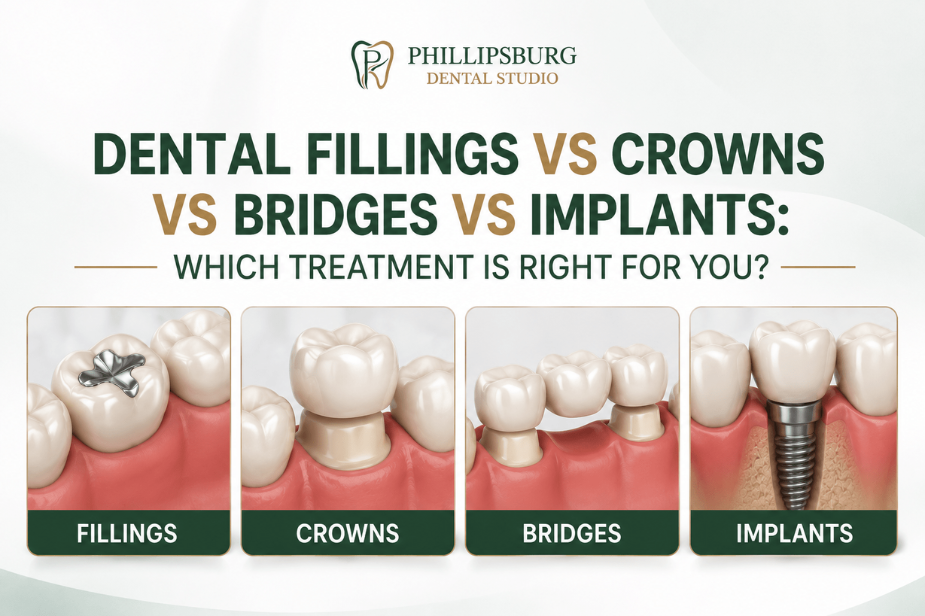
Dental implant treatment is an advanced tooth replacement solution that replaces both the missing tooth root and the visible crown. Unlike traditional bridges or removable dentures, implants are surgically placed into the jawbone, creating a stable foundation for replacement teeth.
Modern implant dentistry utilizes biocompatible titanium implants that naturally fuse with the jawbone through a process called osseointegration. This integration provides exceptional stability and durability.
For patients seeking a permanent missing tooth replacement, dental implants offer several advantages:
- Natural appearance and function
- Improved chewing efficiency
- Prevention of bone loss
- Long-term durability
- Preservation of neighboring teeth
- Enhanced speech and comfort
Because of these benefits, dental implants are widely considered the gold standard for replacing missing teeth.
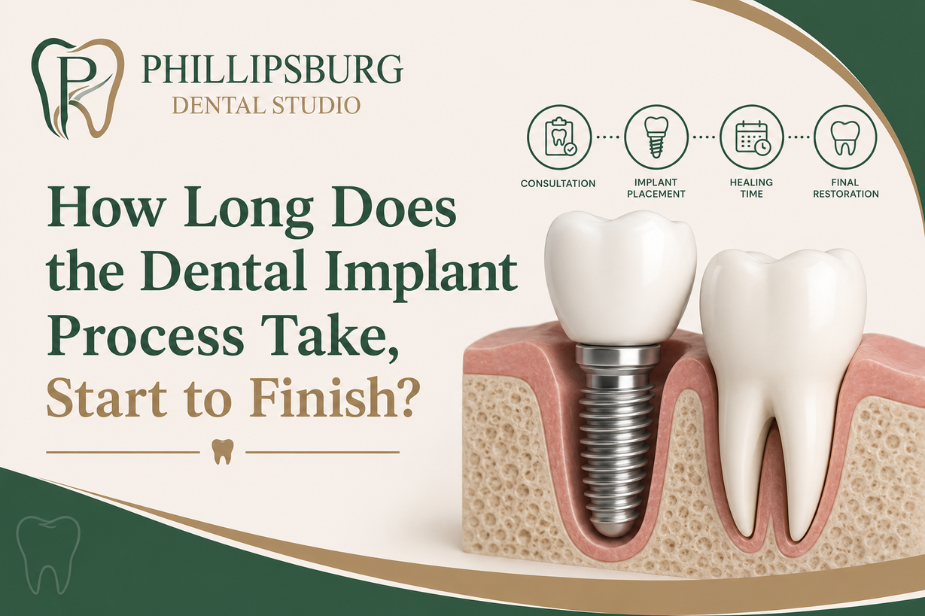
Step 1 – Your Dental Implant Consultation
The first step in successful treatment is a comprehensive dental implant consultation.
During this visit, our team carefully evaluates your oral health to determine whether dental implants are the best option for your needs. A skilled dental implant dentist in Phillipsburg, NJ, will perform a thorough examination and develop a customized treatment strategy.
The consultation typically includes:
- Complete oral examination
- Digital X-rays
- Advanced 3D imaging
- Review of medical history
- Assessment of bone density
- Evaluation of gum health
- Discussion of treatment goals
This visit usually takes about one hour and provides the foundation for your entire treatment plan.
Step 2 – Preparing for Dental Implant Treatment
Before implant placement, some patients require preparatory procedures to create an ideal environment for long-term success.
Common preparatory treatments may include:
1. Tooth Extraction
If a damaged or failing tooth remains in place, extraction may be necessary before implant placement.
2. Bone Grafting
Patients who have experienced bone loss may need bone grafting to strengthen the jawbone and support the implant.
3. Gum Disease Treatment
Healthy gums are essential for successful implant outcomes. Any signs of periodontal disease should be addressed before surgery.
4. Healing Before Implant Placement
Recovery timelines vary depending on the procedure performed:
- Simple extraction: 2–8 weeks
- Bone grafting: 3–6 months
- Gum therapy: several weeks
The exact healing period depends on individual circumstances and treatment complexity.
Step 3 – Dental Implant Placement Surgery
Once the mouth is properly prepared, implant placement can begin.
Patients seeking dental implants in Phillipsburg are often surprised by how comfortable the procedure is. Modern techniques and local anesthesia help ensure a smooth experience.
The procedure generally involves:
- Administering local anesthesia
- Creating a small opening in the gum tissue
- Positioning the implant within the jawbone
- Closing the site for healing
Most single-implant procedures take approximately 60 to 90 minutes.
Recovery After Surgery
Common post-operative symptoms include:
- Mild swelling
- Minor discomfort
- Slight bruising
- Temporary tenderness
Most patients return to normal daily activities within one to three days.
Advanced implant dentistry techniques continue to make treatment more efficient and comfortable than ever before.
Step 4 – Healing and Osseointegration
The longest phase of treatment is the healing process known as osseointegration.
During this stage, the jawbone gradually bonds with the implant surface. This biological process creates the stable support needed for long-term success.
Typical osseointegration takes:
- 3–6 months for most patients
Factors affecting healing include:
- Bone quality
- Age
- Overall health
- Smoking habits
- Oral hygiene practices
- Existing medical conditions
Following post-operative instructions carefully can help support proper healing and improve treatment outcomes.
Step 5 – Placing the Abutment and Final Crown
Once osseointegration is complete, the final restoration process begins.
1. Healing Cap Placement
A small healing cap may be attached temporarily to shape the gum tissue around the implant.
2. Abutment Placement
The abutment serves as the connector between the implant and the final crown.
3. Custom Crown Fabrication
Precise impressions are taken to create a crown that matches the size, shape, and color of surrounding teeth.
4. Final Smile Restoration
After the custom crown is secured, the implant functions like a natural tooth, restoring appearance, comfort, and chewing ability.
How Long Does the Dental Implant Process Take?
The complete timeline varies depending on each patient’s needs.
| Treatment Stage | Typical Timeline |
| Consultation | 1 Visit |
| Preparatory Procedures | 2–16 Weeks (if needed) |
| Implant Surgery | 1 Appointment |
| Healing Period | 3–6 Months |
| Final Crown | 2–4 Weeks |
Some patients complete treatment in as little as three to four months. More complex cases involving bone grafting or multiple implants may require additional healing time.
Factors That Can Affect Your Dental Implant Timeline
Several variables can influence how long treatment takes.
1. Bone Quality
Strong, healthy bones often support faster implant placement and healing.
2. Gum Health
Healthy gum tissue contributes to successful integration and long-term stability.
3. Smoking
Smoking can slow healing and increase the risk of complications.
4. Diabetes
Patients with uncontrolled diabetes may experience delayed healing.
5. Multiple Implants
Replacing several teeth may require additional planning and appointments.
6. Bone Grafting Requirements
Bone augmentation procedures naturally extend treatment timelines.
7. Aftercare Compliance
Patients who follow post-operative instructions carefully often experience smoother recovery and predictable outcomes.
Who is a Good Candidate for Dental Implants?
Many adults qualify for dental implant treatment.
Ideal candidates typically have:
- Healthy gums
- Adequate jawbone support
- Good oral hygiene habits
- Stable overall health
- Commitment to routine dental care
- Non-smoking status or willingness to stop smoking during healing
Even patients who have experienced bone loss may qualify after additional preparatory procedures.
Why Choose Phillipsburg Dental Studio for Dental Implant Treatment?
Choosing the right provider is one of the most important decisions in your implant journey.
As a trusted dental implant clinic in Phillipsburg, NJ, Phillipsburg Dental Studio provides comprehensive implant services under one roof.
Patients choose our practice because of:
- Experienced implant professionals
- Advanced diagnostic technology
- Personalized treatment planning
- Comfortable patient-focused environment
- Precision-guided implant placement
- Comprehensive restorative care
Whether replacing one tooth or several, our experienced dental implant dentist creates customized solutions designed for long-term success.
In addition to implants, patients often appreciate having access to a full range of services through our trusted dental clinic in Phillipsburg, NJ, making comprehensive oral healthcare convenient and efficient.
Conclusion
The timeline for dental implants varies from patient to patient, but the long-term benefits make the process well worth the investment. Careful planning, proper healing, and expert treatment contribute to a durable and natural-looking result that can last for many years.
At Phillipsburg Dental Studio, we provide personalized implant solutions designed to restore both function and confidence. If you are considering missing tooth replacement, now is the ideal time to schedule a dental implant consultation and learn how dental implants can transform your smile.
Frequently Asked Questions
1. Is getting a dental implant painful?
Most patients report minimal discomfort during treatment. Local anesthesia keeps the procedure comfortable, and post-operative soreness is usually manageable with prescribed or over-the-counter medications.
2. How many appointments are required for dental implant treatment?
Most patients require several visits, including consultation, surgery, follow-up evaluations, impressions, and final crown placement.
3. Can a dental implant be completed in one day?
Some cases may qualify for immediate implant placement or same-day temporary restorations. However, complete healing and final restoration still require additional time.
4. How long do dental implants last?
With proper care and regular dental visits, implants can last for decades and often remain functional for a lifetime.
5. When can I eat normally after implant surgery?
Soft foods are typically recommended initially. Most patients gradually return to normal eating habits as healing progresses.
6. How much time should I take off work?
Many patients return to work within one to three days after surgery, depending on the complexity of treatment and personal comfort level.
7. How much does dental implant treatment cost?
The cost of treatment varies based on factors such as the number of implants needed, bone grafting requirements, restoration type, and overall treatment complexity. A personalized evaluation and treatment plan provide the most accurate estimate.