Healthy teeth are essential for eating comfortably, speaking clearly, and maintaining a confident smile. Whether you are dealing with tooth decay, cracked teeth, or missing teeth, choosing the right restorative treatment can protect your oral health while restoring the appearance and function of your smile.
Modern restorative dentistry in Phillipsburg offers highly effective solutions that are designed to repair damaged teeth and replace missing ones using advanced materials and techniques. From simple fillings to permanent dental implants, every treatment serves a unique purpose depending on the condition of your teeth, gums, and jawbone.
At Phillipsburg Dental Studio, we believe every patient deserves personalized care. Our experienced team carefully evaluates your oral health before recommending the most appropriate restorative dental treatments that deliver durable, natural-looking results while helping preserve your long-term dental health.
What is Restorative Dentistry?
Restorative dentistry focuses on diagnosing, repairing, and replacing damaged or missing teeth to restore both function and aesthetics. These treatments help patients regain proper chewing ability, improve speech, prevent further oral complications, and maintain a healthy smile.
Common dental conditions treated through restorative dentistry include:
- Tooth decay
- Cracked or fractured teeth
- Broken dental restorations
- Missing teeth
- Worn enamel
- Tooth infections
- Damaged dental structures after trauma
Benefits of Restorative Dental Treatments
Our restorative dental treatments provide numerous long-term advantages, including:
- Restoring normal chewing function
- Improving smile aesthetics
- Preventing shifting of surrounding teeth
- Protecting weakened teeth
- Preserving jawbone structure
- Enhancing speech
- Improving overall oral health
When Should You Consider Restorative Care?
You should schedule an evaluation if you experience:
- Persistent tooth pain
- Broken or chipped teeth
- Missing teeth
- Large cavities
- Loose restorations
- Difficulty chewing
- Sensitivity to hot or cold foods
Signs You May Need Restorative Dental Treatment
Several symptoms indicate it may be time to seek professional dental care.
1. Tooth Decay
Untreated cavities gradually destroy tooth structure and may eventually require crowns or root canal therapy.
2. Chipped or Cracked Teeth
Even small cracks can worsen over time and expose the tooth to bacteria.
3. Missing Teeth
Tooth loss affects chewing, speech, bite alignment, and jawbone health.
4. Worn-Down Teeth
Grinding, aging, or acid erosion may weaken teeth and require restorative procedures.
5. Pain While Chewing
Pain often signals structural damage, infection, or extensive decay.
6. Broken Fillings or Crowns
Old restorations eventually wear out and should be replaced before additional damage occurs.
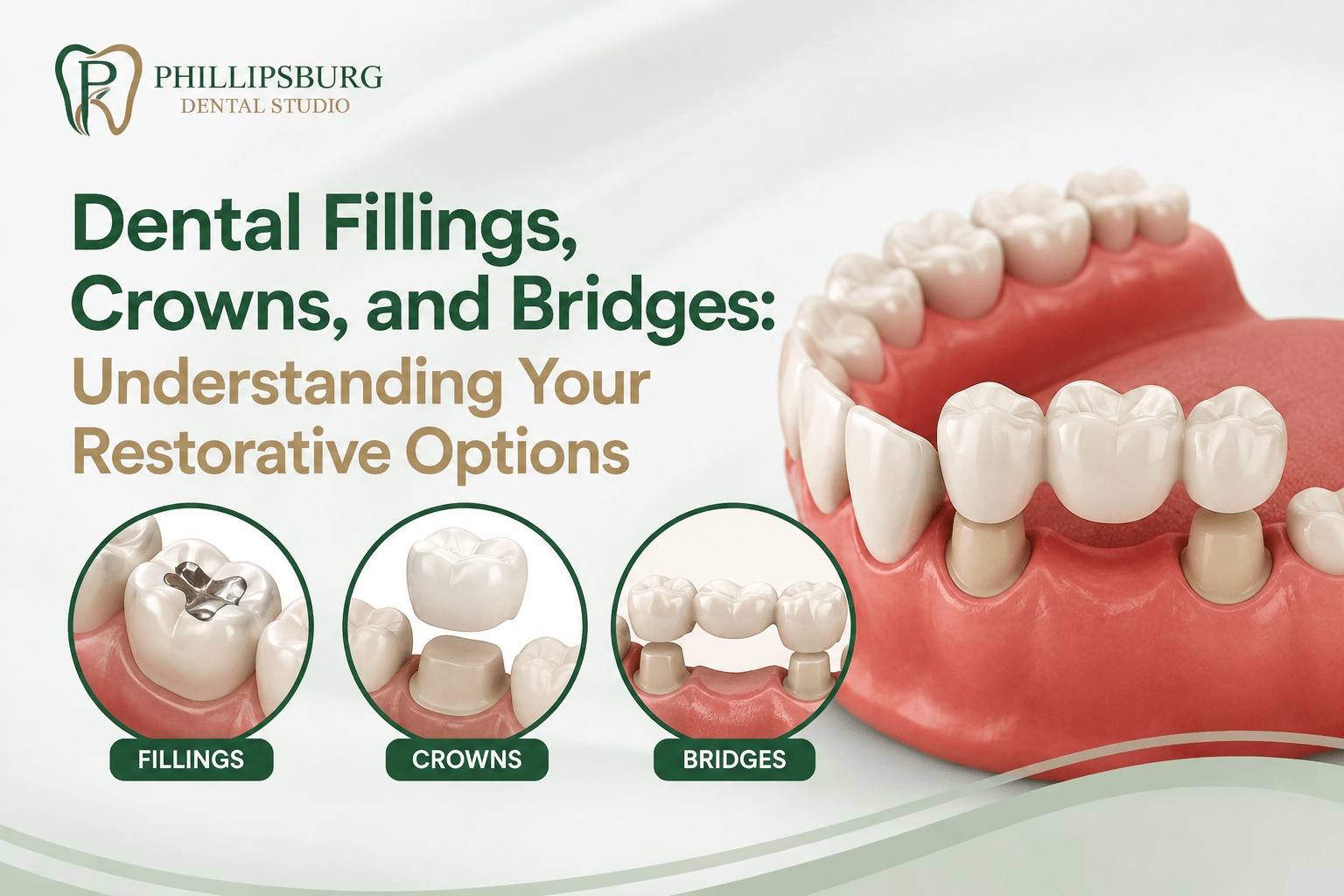
What Are Dental Fillings?
Dental fillings repair teeth affected by minor to moderate decay by removing damaged tissue and filling the cavity with durable restorative materials.
When Are Fillings Recommended?
Fillings are ideal for:
- Small cavities
- Minor tooth fractures
- Early decay
- Replacing worn fillings
- Small areas of enamel damage
Types of Dental Filling Materials
Common filling materials include:
- Composite resin
- Porcelain
- Glass ionomer
- Gold
- Amalgam
Composite fillings are especially popular because they closely match natural tooth color.
Benefits of Dental Fillings
Dental fillings provide several advantages:
- Preserve natural tooth structure.
- Stop cavity progression.
- Blend naturally with surrounding teeth.
- Require minimal tooth preparation.
- Completed in one appointment.
Pros and Cons
Pros
- Conservative treatment
- Affordable
- Fast procedure
- Natural appearance
Cons
- Not suitable for severe damage
- May eventually require replacement
- Less durable for large restorations
What is a Dental Crown?
A dental crown is a custom-made cap placed over a damaged tooth to restore its strength, shape, and appearance.
A skilled Dental crowns dentist recommends crowns when a tooth cannot be adequately restored with a filling.
Conditions Treated with Crowns
Crowns are commonly used for:
- Large cavities
- Cracked teeth
- Broken teeth
- Teeth after root canal therapy
- Severely worn teeth
- Cosmetic improvements
Types of Dental Crowns
Popular crown materials include:
- Porcelain.
- Zirconia.
- Porcelain fused to metal.
- Gold alloys.
- Ceramic.
Benefits of Crowns
Crowns offer:
- Excellent durability
- Full tooth protection
- Natural appearance
- Improved chewing strength
- Long lifespan
Pros and Cons
Pros
- Strong and durable
- Protect weakened teeth
- Long-lasting restoration
- Excellent aesthetics
Cons
- Requires more tooth preparation.
- Usually completed in two visits.
- Higher cost than fillings.
What Are Dental Bridges?
When one or more teeth are missing, Dental bridges in Phillipsburg, NJ provide an effective solution by filling the empty space with artificial teeth supported by neighboring teeth or implants.
How Dental Bridges Work
Bridges anchor replacement teeth to adjacent natural teeth or implants, restoring bite function and preventing surrounding teeth from shifting.
Types of Dental Bridges
Different bridge options include:
- Traditional bridges
- Cantilever bridges
- Maryland bridges
- Implant-supported bridges
Who is a Good Candidate?
Bridges are often recommended for patients who:
- Have one or several missing teeth.
- Have healthy supporting teeth.
- Prefer a fixed restoration.
- Maintain good oral hygiene.
Advantages of Dental Bridges
Benefits include:
- Restored smile
- Improved chewing
- Better speech
- Prevented tooth movement
- Faster treatment than implants
Pros and Cons
Pros
- Fixed solution
- Natural appearance
- Reliable function
- Faster treatment
Cons
- Requires preparing adjacent teeth
- Does not prevent bone loss
- May need replacement over time
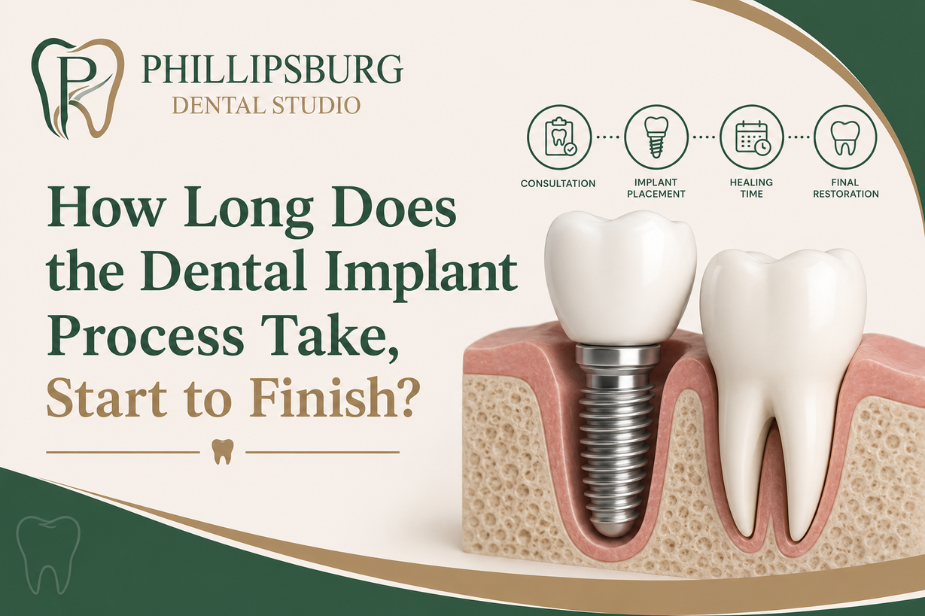
What Are Dental Implants?
Among today’s most advanced tooth replacement options, dental implants provide a permanent solution that closely mimics natural teeth.
An experienced Implant dentist in Phillipsburg surgically places a titanium implant into the jawbone, creating a secure foundation for a crown, bridge, or denture.
How Dental Implants Replace Missing Teeth
After healing, the implant integrates with the jawbone and supports a custom restoration that functions like a natural tooth.
Types of Dental Implants
Common implant options include:
- Single-tooth implants
- Implant-supported bridges
- Full-arch implants
- All-on-4 implant systems
Benefits of Dental Implants
Implants provide:
- Permanent tooth replacement
- Jawbone preservation
- Excellent chewing ability
- Natural appearance
- Long-term durability
- Improved confidence
Who is a Good Candidate?
Ideal candidates typically have:
- Healthy gums
- Good overall health
- Adequate jawbone density
- Commitment to oral hygiene
Pros and Cons
Pros
- Longest-lasting restoration
- Prevents bone loss
- Feels like natural teeth
- No impact on neighboring teeth
Cons
- Longer treatment process
- Surgical procedure required
- Higher initial investment
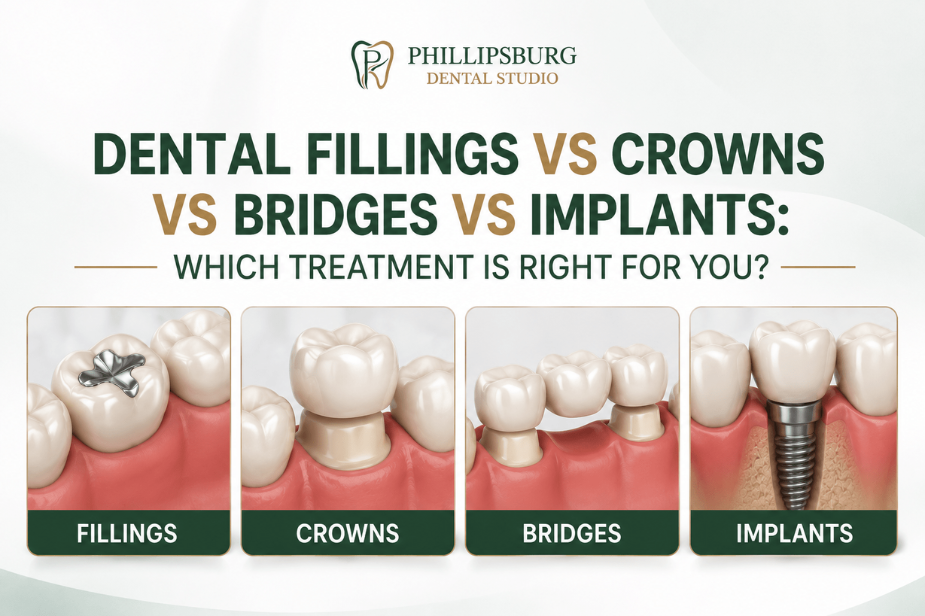
Dental Fillings vs Crowns vs Bridges vs Implants: Key Differences
Understanding the differences between dental fillings, crowns, bridges, and implants helps you choose the most suitable treatment. Each option is designed for a specific level of tooth damage or tooth loss, offering unique benefits in durability, function, appearance, and long-term oral health.
Feature |
Fillings |
Crowns |
Bridges |
Implants |
| Purpose | Repair cavities | Protect damaged teeth | Replace missing teeth | Replace missing tooth root and crown |
| Best For | Small decay | Large damage | One or more missing teeth | Permanent tooth replacement |
| Longevity | 5–15 years | 10–15+ years | 10–15 years | 20+ years or longer |
| Procedure Time | One visit | Two visits | Two to three visits | Several months |
| Appearance | Excellent | Excellent | Natural | Most natural |
| Cost | Lowest | Moderate | Moderate to high | Highest initial investment |
| Maintenance | Regular brushing and flossing | Routine dental care | Daily cleaning under bridge | Normal oral hygiene and maintenance |
Which Restorative Treatment Is Right for You?
Every patient’s oral health needs are different. Our recommendations are based on clinical findings, long-term durability, and your personal goals.
Choose Fillings If…
- You have small cavities.
- Minor tooth damage.
- Early tooth decay.
- Strong remaining tooth structure.
Choose Crowns If…
- You have extensive decay.
- A root canal has been completed.
- Your tooth is cracked.
- Your tooth is weakened.
Choose Bridges If…
- One or more teeth are missing.
- Neighboring teeth are healthy enough for support.
- You prefer a fixed restoration without surgery.
Choose Dental Implants If…
- You want permanent tooth replacement.
- You seek the longest-lasting solution.
- You have healthy jawbone support.
- You want to preserve surrounding teeth.
Factors Your Dentist Considers Before Recommending Treatment
Before recommending treatment, we carefully evaluate:
- Overall oral health
- Gum condition
- Bone density
- Number of missing teeth
- Existing restorations
- Cosmetic goals
- Budget
- Age
- Lifestyle habits
- Long-term expectations
A personalized treatment plan ensures the best balance between function, durability, appearance, and long-term oral health.
How Much Do Restorative Dental Treatments Cost?
The cost of restorative procedures varies depending on each patient’s unique needs rather than one standard price.
Factors affecting treatment cost include:
- Severity of tooth damage
- Type of restoration selected
- Materials used
- Number of teeth treated
- Additional procedures required
- Dental insurance benefits
- Diagnostic imaging
- Laboratory fabrication
Our Affordable Phillipsburg dentist works closely with patients to explain every treatment option, maximize insurance benefits whenever possible, and offer flexible payment solutions that make quality dental care accessible.
Why Choose Phillipsburg Dental Studio for Restorative Dentistry?
Choosing the right dental practice makes a significant difference in both your treatment experience and long-term results.
At Phillipsburg Dental Studio, we proudly provide comprehensive General dentistry and advanced Restorative dentistry in Phillipsburg under one roof.
Patients choose us because we offer:
- Experienced restorative dentists
- Advanced digital dental technology
- Personalized treatment planning
- Comfortable, patient-centered care
- Comprehensive services in one convenient location
- Honest and transparent recommendations
- Flexible payment options
- Long-lasting, natural-looking restorations
- High-quality materials
- Commitment to preserving healthy tooth structure whenever possible
As your Affordable Phillipsburg dentist, our goal is to restore both your smile and your confidence with treatment solutions tailored specifically to your needs.
Tips to Make Your Restorative Dental Work Last Longer
Proper care significantly extends the lifespan of restorations.
1. Brush Twice Daily
Use fluoride toothpaste and a soft-bristled toothbrush.
2. Floss Every Day
Clean between teeth and around restorations to prevent plaque build-up.
3. Regular Dental Check-ups
Routine examinations help detect minor issues before they become major problems.
4. Wear a Night Guard if Needed
Protect crowns, fillings, and implants from grinding damage.
5. Avoid Chewing Hard Objects
Ice, hard candy, and pens can damage restorations.
6. Quit Smoking
Smoking slows healing and increases the risk of implant failure and gum disease.
7. Maintain Healthy Eating Habits
A balanced diet supports healthy gums and strong teeth.
Conclusion
Choosing between dental fillings, crowns, bridges, and dental implants depends on the extent of tooth damage, the number of missing teeth, your oral health, lifestyle, and long-term goals. While fillings preserve teeth with minor decay, crowns strengthen damaged teeth, bridges replace missing teeth efficiently, and implants offer the most permanent and natural-looking solution.
At Phillipsburg Dental Studio, we are committed to helping every patient make informed decisions through personalized evaluations, advanced technology, and comprehensive restorative dental treatments designed for lasting results. Contact Phillipsburg Dental Studio today to schedule a comprehensive consultation.
Frequently Asked Questions
1. What’s the difference between a filling and a crown?
A filling repairs small areas of decay while preserving most of the natural tooth. A crown covers the entire tooth to restore strength when significant damage or decay is present.
2. Are dental implants better than bridges?
Dental implants generally provide greater longevity, preserve jawbone health, and do not rely on neighboring teeth. Bridges remain an excellent option for many patients depending on their oral health and treatment goals.
3. How long do dental crowns last?
With proper oral hygiene and regular dental visits, quality crowns commonly last 10 to 15 years or longer.
4. Can a bridge replace multiple missing teeth?
Yes. Dental bridges can replace several consecutive missing teeth when sufficient support is available from natural teeth or dental implants.
5. Are restorative dental treatments painful?
Modern anaesthesia, advanced techniques, and patient-focused care make restorative procedures comfortable, with minimal discomfort during and after treatment.
6. Which restorative dental treatment lasts the longest?
Dental implants generally offer the longest lifespan and may last decades with excellent oral hygiene and routine professional care.
7. Does dental insurance cover restorative dentistry?
Many dental insurance plans provide partial coverage for medically necessary restorative procedures. Coverage varies based on your individual policy and treatment.
8. How do I know which treatment is right for me?
A comprehensive dental examination, digital imaging, and personalized consultation allow your dentist to recommend the most appropriate treatment based on your oral health, goals, and budget.