Deep tooth decay does not always cause severe pain, even when it reaches the inner part of a tooth. In some cases, you may experience mild sensitivity, occasional discomfort, or no noticeable symptoms while the damage continues to progress. This can make it difficult to recognize when a tooth decay problem requires professional attention. Understanding the signs of a root canal without severe pain can help you seek timely dental care before the condition becomes more complicated.
At Phillipsburg Dental Studio, understanding the connection between deep tooth decay and root canal treatment in Phillipsburg, NJ can help you make informed decisions about your oral health. When decay reaches the dental pulp, the soft tissue containing nerves and blood vessels, a root canal may be necessary to remove damaged or infected tissue and preserve the natural tooth. Even without significant discomfort, scheduling a dental examination can help determine the extent of decay and the most appropriate treatment for your needs.
How Does Deep Tooth Decay Affect the Inside of a Tooth?
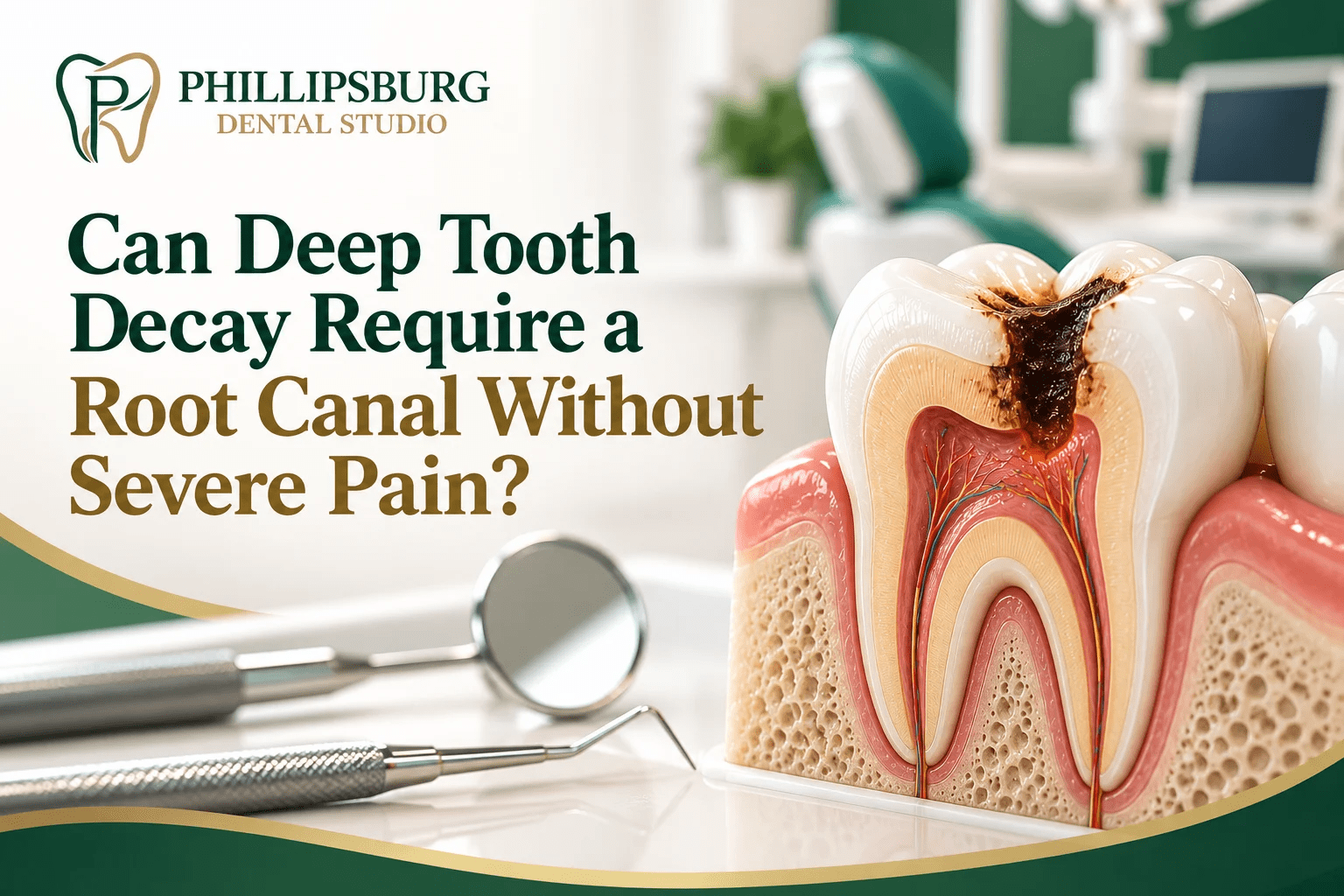
To understand how deep tooth decay can lead to a root canal without severe pain, it helps to know how a tooth is structured. Each tooth contains several layers that protect its internal tissues and support normal chewing.
The enamel is the hard outer layer that protects the tooth from daily wear, bacteria, and acids. Beneath it lies the dentin, a slightly softer layer containing microscopic channels that can transmit sensations towards the inner tooth. At the centre is the dental pulp, which contains nerves, blood vessels, and connective tissue that help maintain the tooth’s vitality.
Tooth decay begins when bacteria in dental plaque produce acids that gradually weaken the enamel. If the process continues, the decay can penetrate the dentin and progress towards the pulp. At this stage, bacteria and their by-products may trigger inflammation and infection inside the tooth.
When the pulp becomes severely inflamed or irreversibly damaged, a simple filling may no longer be sufficient. Root canal treatment may be recommended to remove the damaged pulp, eliminate infection, and preserve the remaining natural tooth structure.
However, not every deep cavity requires a root canal. The appropriate treatment depends on the extent of the decay, the condition of the pulp, and whether the tooth can be restored successfully. A dental examination helps us determine how far the decay has progressed and what treatment is needed.
Can You Need a Root Canal Without Severe Pain?
Yes, a tooth can require root canal treatment even if it does not cause severe pain. Although persistent toothache is a common warning sign, it is not present in every case of advanced decay or pulp infection.
In the early stages of pulp inflammation, you might notice sensitivity to hot or cold foods, occasional discomfort while chewing, or a brief ache that disappears on its own. As the condition progresses, the symptoms may change. In some cases, the nerve tissue inside the tooth becomes damaged or dies, reducing the sensations that previously alerted you to the problem.
This can create a misleading sense that the tooth is improving. In reality, the underlying infection may remain active and continue affecting the tissues around the root.
Some people also have deep cavities that develop gradually, allowing them to adapt to minor discomfort. Others may have decay discovered during a routine dental examination before they experience noticeable symptoms.
These situations demonstrate why the absence of severe pain does not rule out tooth decay requiring root canal treatment. A dentist may identify damage through clinical examination, dental X-rays, and tests that evaluate the condition of the pulp.
If you have a deep cavity, persistent sensitivity, or unexplained changes in a tooth, arranging an assessment promptly can help prevent the problem from progressing.
What Are the Signs You Need a Root Canal?
Recognising the signs you need a root canal can help you seek appropriate treatment before the condition becomes more complicated. Although symptoms vary, several changes may indicate that decay or infection has affected the dental pulp.
1. Sensitivity to Hot and Cold Foods
Sensitivity to hot drinks, cold water, ice cream, or other temperature changes can indicate that the inner tooth tissues are irritated.
Brief sensitivity that disappears immediately after the trigger is removed may be associated with exposed dentin, enamel damage, or other conditions that do not necessarily require a root canal. However, pain that lingers after exposure, occurs spontaneously, or becomes increasingly intense may indicate more significant pulp inflammation.
Persistent temperature sensitivity should be evaluated by a dentist, particularly when it affects a tooth with a visible cavity or a large existing filling.
2. Pain When Biting or Chewing
Discomfort when biting into food or applying pressure to a tooth can indicate several dental problems, including deep decay, a cracked tooth, inflammation around the root, or an infection.
If the pulp becomes infected, inflammation may extend into the tissues surrounding the tooth’s root. This can make normal chewing uncomfortable and cause the tooth to feel tender when pressure is applied.
Pain when biting does not automatically mean you need a root canal, but it should not be ignored. A dentist can examine the tooth and determine whether the cause is decay, a crack, gum disease, or another condition.
3. Tooth Discoloration or Darkening
A tooth that becomes grey, brown, or unusually dark may have experienced internal damage. Deep decay can also cause visible brown or black areas where the tooth structure has deteriorated.
Discoloration alone does not confirm that the pulp is infected. Staining, previous trauma, certain dental materials, and other conditions can also change a tooth’s appearance.
However, a newly darkened tooth, especially one with a history of injury or deep decay, deserves professional evaluation. Dental X-rays and pulp tests can help determine whether the tooth remains healthy or needs further treatment.
4. Swollen or Tender Gums Near the Tooth
Swelling, tenderness, or redness in the gums around a tooth can indicate inflammation or infection. When bacteria move through the root canal system and reach the surrounding tissues, they may cause an infection near the root tip.
You might notice discomfort when touching the gum, localised swelling, or pressure around the affected tooth. These symptoms should be assessed promptly because a dental infection can progress even when the toothache is mild.
Facial swelling, fever, or rapidly worsening symptoms require urgent attention.
5. A Small Pimple or Bump on the Gums
A small pimple-like bump on the gums near a tooth can sometimes be a dental sinus tract, which allows infected material to drain from an area near the root.
When an infection drains through this opening, pressure may decrease, and the tooth may become less painful. This does not necessarily mean the infection has resolved. The underlying source can remain inside the tooth or surrounding tissues.
Do not squeeze or attempt to drain the bump yourself. Arrange a dental examination so the cause can be identified and treated appropriately.
6. Deep Tooth Decay Found During a Dental Examination
Sometimes, the only indication of a serious dental problem is a finding during a routine examination. A dentist may discover a large cavity, decay beneath an existing filling, or damage close to the dental pulp on an X-ray.
These findings are particularly important when symptoms are absent or mild. Although deep decay does not always require root canal treatment, it may increase the risk of pulp damage and make prompt treatment necessary.
When we identify decay early, we can assess whether the tooth can be preserved with a filling or another restorative procedure. If the pulp has become irreversibly damaged or infected, root canal treatment may be needed.
Why Can Deep Tooth Decay Sometimes Cause Little or No Pain?
Pain is influenced by the condition of the pulp, the body’s inflammatory response, and whether pressure builds up within the tooth or surrounding tissues. As a result, the amount of discomfort does not always reflect the extent of the underlying damage.
When bacteria first irritate the pulp, inflammation may increase sensitivity. You may experience sharp pain when eating something cold or hot, or you may notice discomfort that continues after the stimulus is removed.
If the damage progresses, parts of the pulp may lose their ability to function normally. In some cases, the pulp tissue dies, and the tooth may no longer respond to temperature in the same way. This change can reduce or eliminate certain pain sensations.
However, a tooth with a dead or severely damaged pulp can still develop an infection. Bacteria may remain within the root canal system and spread towards the tissues surrounding the root. An abscess can develop even if the original toothache has subsided.
This is one reason painless root canal symptoms can be misleading. You may not experience the classic signs of a toothache, yet the tooth may still require treatment.
Other factors can also affect how symptoms present. Some people experience intermittent discomfort, while others notice only gum swelling, a bad taste, or changes in tooth colour.
For these reasons, we recommend evaluating suspected deep decay based on clinical findings rather than pain alone. A professional assessment can identify problems that may otherwise remain unnoticed until they become more difficult to treat.
How Does a Dentist Determine Whether You Need Root Canal Treatment?
A dentist does not recommend a root canal solely because a cavity looks large or a patient reports sensitivity. The decision involves evaluating the tooth’s structure, the condition of the pulp, and the likelihood of restoring the tooth successfully.
A root canal dentist may use several diagnostic methods to determine whether the pulp is healthy, inflamed, or infected.
1. Dental Examination and Medical History
The examination begins with a discussion of your symptoms, including when they started, how frequently they occur, and whether hot or cold foods trigger discomfort. We may also ask about previous dental procedures, injuries, existing medical conditions, and medications that could affect treatment planning.
Next, the dentist examines the affected tooth and surrounding gums. Visible cavities, damaged fillings, cracks, swelling, and tenderness can provide important clues about the cause of the problem.
Even when you report no pain, the dentist may recommend further testing if the tooth shows signs of deep decay or structural damage.
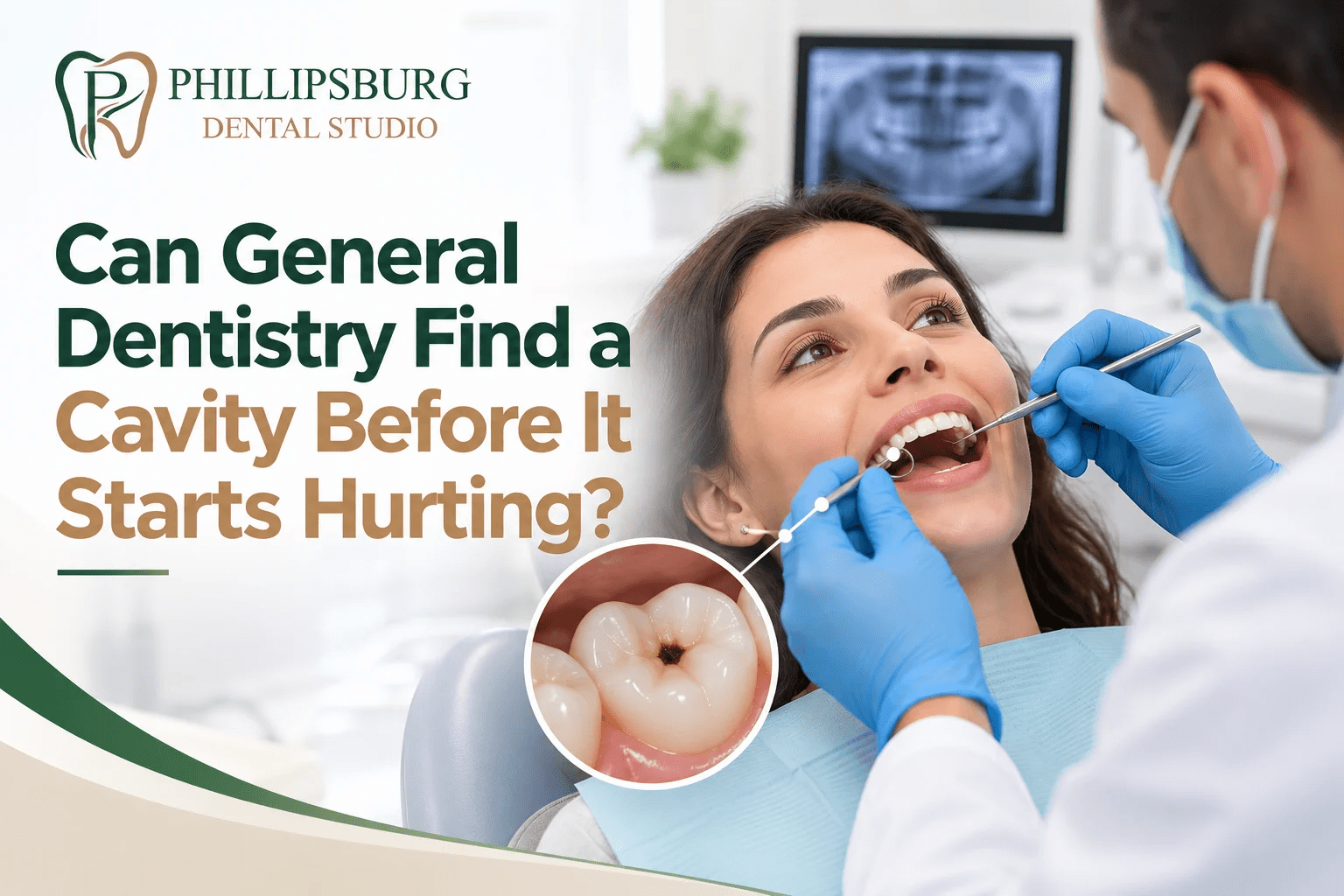
2. Dental X-Rays to Assess the Extent of Decay
Dental X-rays help reveal decay beneath the visible tooth surface, between teeth, or around existing restorations. They can also show changes in the bone surrounding a tooth’s root that may suggest an infection.
An X-ray does not directly establish whether the pulp is alive or dead. Instead, the dentist combines the imaging findings with your symptoms and the results of clinical tests.
This approach helps determine whether the decay is close to the pulp, whether an infection may have developed around the root, and whether the tooth appears suitable for restoration.
3. Pulp Sensibility Tests and Bite Tests
Pulp sensibility tests assess how the tooth responds to certain stimuli, such as cold. A dentist may also use gentle tapping or pressure tests to evaluate the tissues surrounding the root.
An unusual or prolonged response to cold may indicate pulp inflammation. A lack of response can suggest pulp necrosis, although it does not establish the diagnosis on its own. Certain injuries, restorations, and other factors can influence test results.
Bite tests may help identify discomfort associated with inflammation around the root or a cracked tooth.
By considering the results together, the dentist can make a more informed assessment of whether root canal treatment is appropriate.
4. Evaluating Whether a Filling, Crown, or Root Canal Is Appropriate
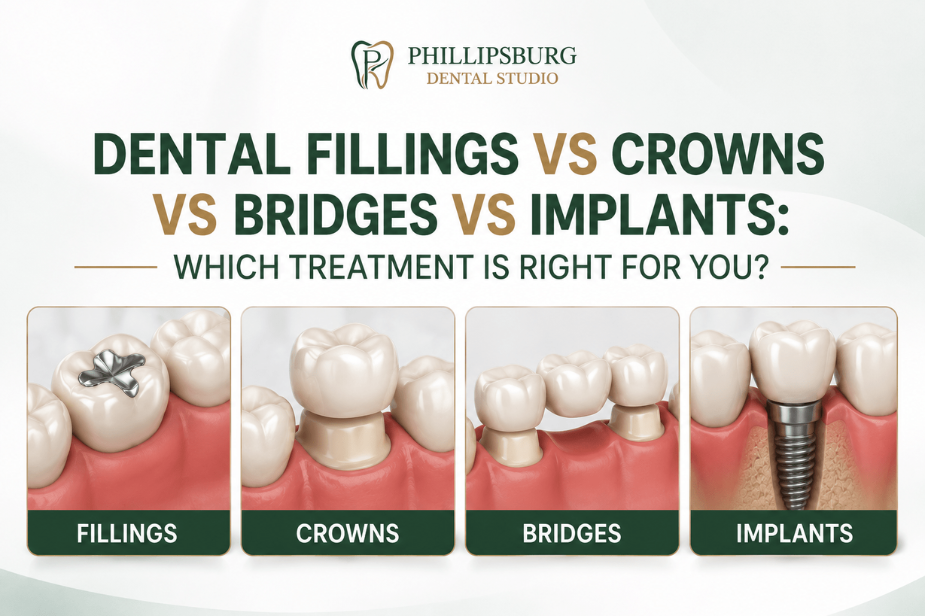
The recommended treatment depends on the extent of the decay and the condition of the pulp.
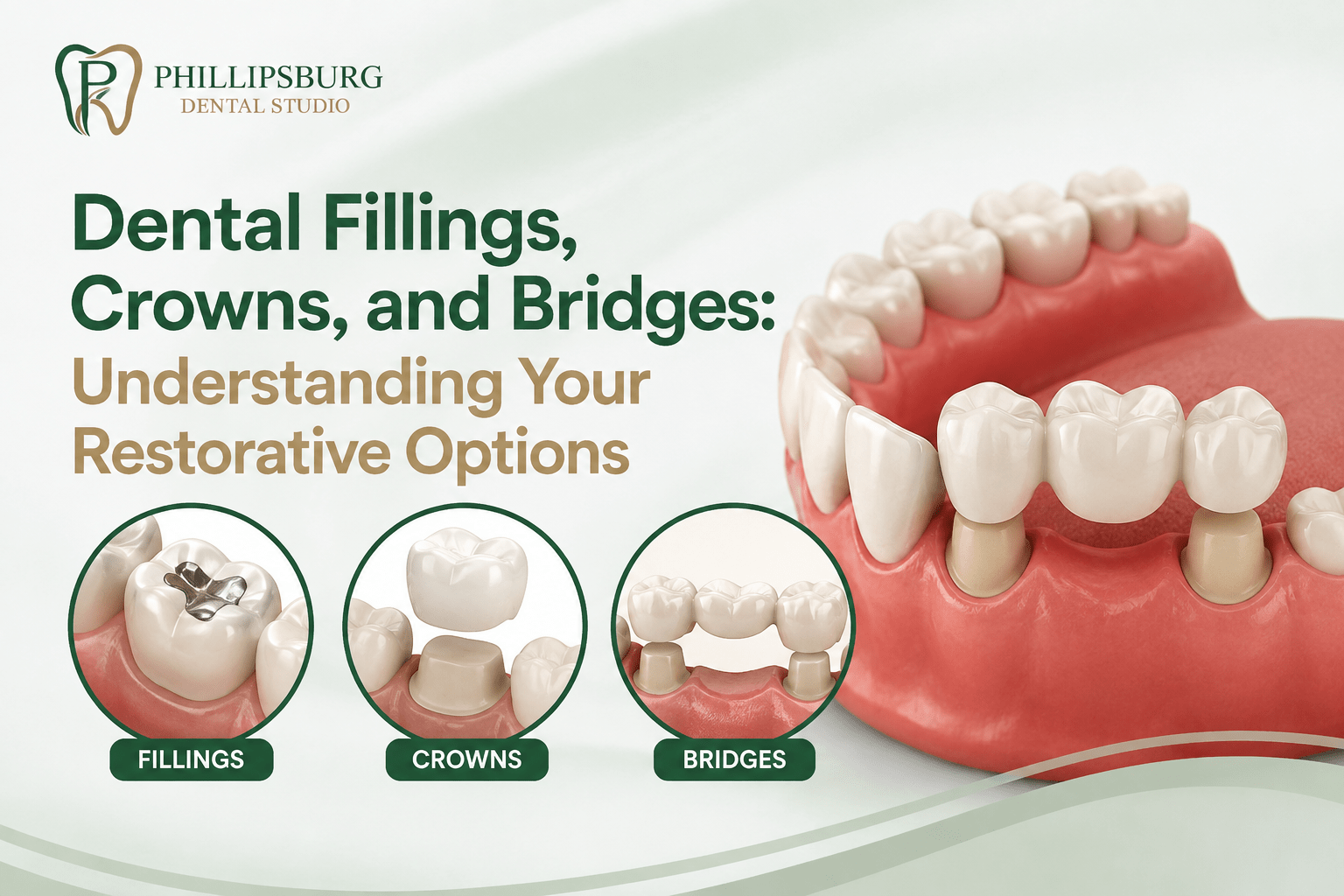
- Dental filling: Suitable when decay can be removed, and the remaining tooth structure can be restored without treating irreversibly damaged pulp.
- Crown: A dental crown may be recommended when a tooth has lost substantial structure and needs additional protection against fracture. A dental bridge can replace missing teeth. A crown does not replace root canal treatment when the pulp requires treatment.
- Root canal treatment: May be needed when the pulp is irreversibly inflamed, infected, or dead and the tooth can still be restored.
- Tooth extraction: May be considered when the tooth cannot be restored predictably or when other clinical factors make preservation unsuitable.
In selected cases, vital pulp treatments may preserve some or all of the living pulp, depending on the diagnosis and clinical circumstances.
The goal is to identify the least invasive treatment that can address the problem effectively while preserving as much healthy natural tooth structure as possible.
What Happens During Root Canal Treatment?
Root canal treatment is designed to remove infected or irreversibly damaged pulp from inside a tooth while preserving the remaining natural structure.
Although the procedure may sound intimidating, modern techniques and local anaesthesia can make treatment manageable for most patients. The exact steps depend on the tooth’s anatomy, the extent of infection, and the complexity of the case.
1. Numbing the Tooth and Preparing the Area
The dentist administers local anaesthesia to numb the tooth and surrounding tissues. Once the area is sufficiently numb, the dentist isolates the tooth and creates an opening to access the pulp chamber.
If you are anxious about treatment, discuss your concerns with the dental team before the procedure. Understanding the process and available comfort measures can help you feel more prepared.
2. Removing Damaged or Infected Pulp
Small dental instruments are used to remove the affected pulp tissue from the chamber and root canals. The dentist carefully works through the internal spaces of the tooth to remove damaged tissue and reduce the bacterial load.
The aim is to preserve the remaining tooth structure while creating a clean space that can be sealed effectively.
3. Cleaning, Disinfecting, and Shaping the Canals
The root canals are cleaned and shaped using specialised instruments and disinfecting solutions. This process helps remove remaining tissue, debris, and bacteria from the internal spaces.
Because root canals can have narrow, curved, or complex anatomy, the dentist must carefully assess and prepare the canal system.
4. Filling and Sealing the Root Canals
Once the canals have been cleaned and prepared, they are filled with a suitable material and sealed to reduce the risk of bacterial re-entry.
In some cases, treatment can be completed in one appointment. More complex cases or teeth with significant infection may require additional visits, depending on the clinical findings.
5. Restoring the Tooth With a Filling or Crown
After root canal treatment, the access opening must be restored. A filling may be appropriate in some cases, while a crown is often recommended when substantial tooth structure has been lost, or the tooth needs additional protection.
The final restoration helps seal the tooth and restore its function. Following the dentist’s instructions and attending recommended follow-up appointments can support healing and long-term success.
Root canal treatment does not remove the entire tooth or its outer structure. It treats the damaged internal tissue so that the natural tooth can often remain in place.
When Should You Seek Emergency Dental Treatment?
Deep tooth decay can become urgent when infection spreads, or symptoms worsen. You should not wait for severe pain before seeking care, especially if you already know that a cavity is deep or suspect an infection.
Arrange prompt dental assessment if you experience:
- Increasing or persistent tooth pain that interferes with eating, sleeping, or everyday activities.
- Swelling around the gums, jaw, or face, particularly when it is getting worse.
- Pus, a bad taste, or a pimple-like bump near the affected tooth.
- Fever or feeling generally unwell alongside tooth pain or swelling.
- Difficulty opening your mouth or increased tenderness around the jaw.
Patients who need emergency dental treatment in Phillipsburg should contact a dental provider promptly for guidance on the next steps. A dentist can evaluate the symptoms, determine whether an infection is present, and recommend appropriate treatment.
A dental abscess does not usually resolve permanently without treating its source. Depending on the condition, treatment may involve root canal therapy, drainage, extraction, or other care.
Seek emergency medical care immediately if you have difficulty breathing or swallowing, rapidly spreading facial or neck swelling, or other signs of a potentially serious spreading infection. Do not delay medical assessment while waiting for a routine dental appointment.
Choosing the Right Dentist for Root Canal Treatment
Deep tooth decay can damage the dental pulp and require root canal treatment to preserve the natural tooth. A timely dental examination helps determine the extent of decay and whether a filling, crown, or root canal is the most appropriate option.
At Phillipsburg Dental Studio, we provide general dentistry care to assess tooth decay, persistent sensitivity, and other dental concerns. If you need root canal treatment in Phillipsburg, NJ, an early evaluation can help identify the problem and reduce the risk of further complications.
For cases requiring a root canal specialist, the dentist can determine whether treatment is suitable within the practice or whether a referral to an endodontist is recommended. This is particularly important when a tooth has complex root anatomy or requires additional care.
Residents of Easton, PA, can also consult a dental provider about a root canal in Easton, PA, including diagnostic examinations, treatment options, and referrals when necessary. If you need a root canal dentist near Easton, consider the provider’s approach to diagnosis, restorative treatment, and follow-up care.
Choosing an appropriate dental clinic in Phillipsburg, NJ, can help ensure that deep tooth decay is evaluated promptly and treated according to your dental needs. Early diagnosis and appropriate care can help manage infection and preserve your natural tooth whenever possible.
Interesting Read: How Often Should You Really Visit the Dentist? (The Truth Behind the 6-Month Rule)
How Can You Prevent Deep Tooth Decay and Future Root Canal Problems?
Although not every case of tooth decay can be prevented, consistent oral hygiene and regular dental care can reduce the risk of cavities progressing to the dental pulp.
1. Brush Twice Daily With Fluoride Toothpaste
Brush your teeth twice a day using fluoride toothpaste. Fluoride helps strengthen enamel and supports the repair of early mineral loss before a cavity develops.
Use a soft-bristled toothbrush and clean all tooth surfaces carefully, including the areas along the gumline and the back teeth. Replace your toothbrush when the bristles become worn.
2. Clean Between Your Teeth Daily
Toothbrush bristles cannot effectively reach every space between teeth. Use dental floss or an appropriate interdental cleaning device daily to remove plaque and food particles from these areas.
Cleaning between the teeth is particularly important because cavities can develop in places that are difficult to see without a dental examination or X-ray.
3. Limit Frequent Sugary Foods and Drinks
Bacteria in dental plaque use sugars to produce acids that attack enamel. Frequent exposure gives the teeth less time to recover between acid attacks.
Limit sugary snacks and drinks throughout the day, and choose water regularly. Avoid repeatedly sipping sweetened beverages over long periods.
4. Schedule Regular Dental Examinations and Professional Cleanings
Routine dental visits allow a dentist to identify cavities, weakened restorations, and other concerns before symptoms become noticeable.
The recommended interval between examinations depends on your individual oral health, risk factors, and dental history. People who have a history of frequent cavities or other risk factors may need more frequent assessments.
Professional cleanings also help remove deposits that regular brushing cannot adequately eliminate.
5. Seek Advice When Symptoms First Appear
Do not ignore persistent sensitivity, discomfort when chewing, a darkened tooth, or a visible cavity. These changes may have several causes, and only an appropriate examination can determine whether treatment is needed.
Treating decay while it is still limited to the outer tooth layers may help avoid more extensive procedures later. If the pulp has already been affected, early evaluation can still help establish the appropriate treatment before the problem progresses.
Protect Your Tooth With Timely Dental Care
Deep tooth decay can damage the dental pulp and require root canal treatment, even without severe pain. Recognising signs such as persistent sensitivity, tooth discoloration, and swollen gums helps prevent complications.
At Phillipsburg Dental Studio, we evaluate tooth decay and recommend appropriate treatments, including fillings, crowns, or root canal treatment, to help preserve your natural teeth.
Contact Phillipsburg Dental Studio to schedule a dental examination and receive timely care for deep tooth decay or other dental concerns.
Frequently Asked Questions
Can a Tooth Need a Root Canal if It Does Not Hurt?
Yes. A tooth may need root canal treatment even when it causes little or no pain. Deep decay can damage the pulp gradually, and the nerve tissue may eventually lose its ability to respond normally. An infection may continue around the root despite reduced discomfort. A dental examination, X-rays, and pulp tests can help determine whether treatment is necessary.
How Do I Know if Tooth Decay Has Reached the Dental Pulp?
Possible warning signs include prolonged sensitivity to hot or cold foods, spontaneous toothache, pain when chewing, tooth discoloration, and swelling near the affected tooth. However, some teeth have deep decay without obvious symptoms. A dentist may use clinical examination, X-rays, and pulp sensibility tests to assess whether the decay has affected the pulp.
Can Deep Tooth Decay Be Treated Without a Root Canal?
Yes, in some cases. If the pulp remains healthy or can be preserved with an appropriate vital pulp procedure, the dentist may recommend a filling, crown, or another restorative treatment. However, when the pulp is irreversibly inflamed, infected, or dead, root canal treatment may be needed to preserve the tooth. The correct approach depends on the clinical diagnosis.
Does Root Canal Treatment Hurt?
Root canal treatment is generally performed under local anaesthesia to minimise discomfort during the procedure. You may experience some tenderness or sensitivity afterwards, particularly if the tissues around the root were inflamed before treatment. This usually improves as healing progresses. If pain becomes severe, swelling develops, or symptoms worsen, contact your dentist for further assessment.
How Long Can You Wait to Treat Deep Tooth Decay?
There is no reliable waiting period that is safe for every cavity. The rate of progression depends on the location and extent of decay, oral hygiene, and individual risk factors. A cavity that is close to the pulp may require prompt treatment, even if it causes only mild discomfort. Arrange a dental examination as soon as deep decay is suspected rather than waiting for pain to become severe.
Can a Tooth Infection Exist Without Severe Pain?
Yes. A tooth infection can develop without severe pain, particularly when the pulp has become necrotic or an infection drains through a sinus tract in the gums. Symptoms may include a small gum bump, swelling, a bad taste, or tooth discoloration. Some infections produce very few noticeable symptoms. A professional examination is important because the infection may persist even when discomfort decreases.